Meltini Kitchen Bath Design Tips & Common Mistakes
Designing a kitchen or bathroom is more than just aesthetics — it’s about functionality, comfort, and long-term satisfaction. Whether you’re remodeling or building new, understanding the right approach can save you time, money, and frustration. In this article, we explore Meltini Kitchen Bath Design Tips & Common Mistakes to help homeowners create spaces that are both beautiful and practical.
Introduction
Kitchen and bath spaces are among the most used areas in any home. From meal preparation to daily routines, they require careful planning. With Meltini’s design philosophy, homeowners can merge style and functionality seamlessly. This guide will walk you through practical tips and highlight common pitfalls to avoid.
Key Meltini Kitchen Bath Design Tips
Prioritize Layout and Workflow
The layout is the backbone of any kitchen or bathroom design. Consider the “work triangle” in kitchens — the distance between the sink, stove, and refrigerator — to ensure efficiency. In bathrooms, plan for proper spacing between sinks, showers, and storage. A well-thought layout reduces congestion and enhances usability.
Choose Durable Materials
Durability is crucial in high-traffic areas. Opt for materials that withstand daily wear, such as quartz countertops, porcelain tiles, and water-resistant cabinetry. Not only do they last longer, but they also maintain their aesthetic appeal. For those interested in cooking efficiency, check an in-depth look at meltini kitchen bath design for integrating resilient surfaces.
Focus on Lighting
Lighting impacts both functionality and ambiance. Combine task lighting for prep areas with ambient lighting for overall warmth. Under-cabinet lights in kitchens or vanity lights in bathrooms improve visibility and reduce shadows. Natural light is also invaluable — it creates an inviting atmosphere while saving energy.
Optimize Storage Solutions
Storage is a common challenge in kitchens and bathrooms. Use vertical space with tall cabinets or open shelving to maximize capacity. Pull-out drawers, lazy Susans, and modular organizers help keep essentials accessible. This approach prevents clutter and streamlines everyday tasks.

Select Color Schemes Carefully
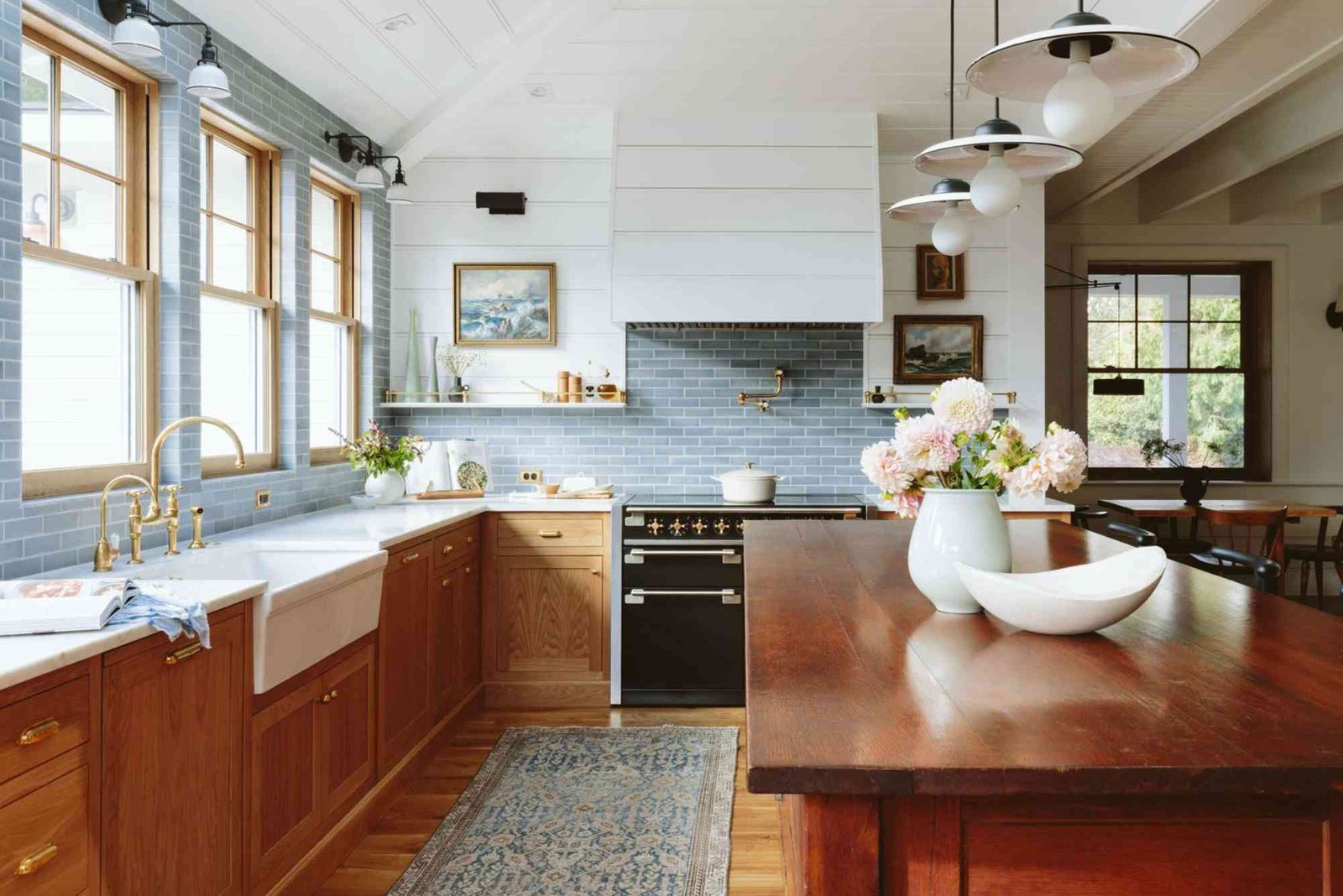
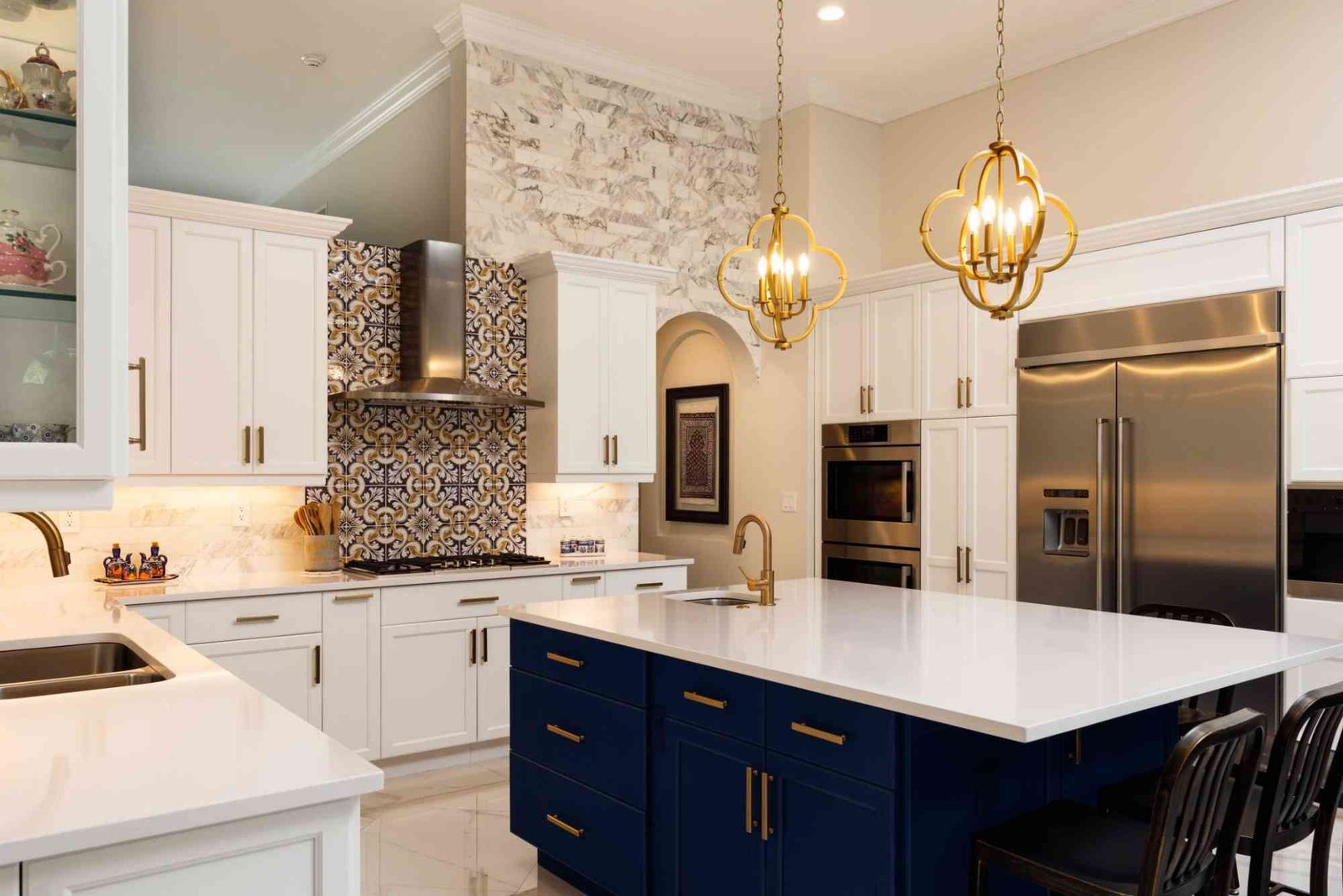
Colors influence mood and perception of space. Lighter shades can make small kitchens or bathrooms appear larger, while darker hues add depth and sophistication. Coordinating backsplash, cabinetry, and flooring colors ensures a cohesive design that feels intentional.
Invest in Quality Fixtures
Fixtures like faucets, handles, and showerheads combine style and function. Choose finishes that match your design theme and are resistant to wear. High-quality fixtures reduce maintenance issues and elevate the overall look.
Incorporate Smart Technology
Smart appliances and fixtures enhance convenience. Consider touchless faucets, energy-efficient lighting, or programmable kitchen devices. These updates not only improve functionality but can also increase property value.
Common Mistakes in Kitchen and Bath Design
Ignoring the Workflow
One of the most frequent errors is overlooking how people move through the space. Poor layout can lead to cramped, inefficient kitchens and bathrooms. Ensure adequate clearance and easy access to essential areas.
Overlooking Ventilation
Proper ventilation prevents mold, odors, and humidity damage. Many homeowners forget exhaust fans in bathrooms or range hoods in kitchens. Ventilation is vital for longevity and comfort.
Skipping Professional Advice
DIY design can be tempting, but it often results in avoidable mistakes. Consulting a designer or an editorial partner with experience ensures optimal layout, material selection, and lighting.
Underestimating Storage Needs
Lack of storage is a common frustration. Without planning, countertops and surfaces become cluttered. Integrate enough cabinets, drawers, and organizers to accommodate your lifestyle.
Choosing Trend Over Timelessness
While trendy colors or materials might look appealing, they may not age well. Prioritize timeless designs that blend style with functionality. Trends can be added through accessories instead.
Poor Lighting Choices
Insufficient or harsh lighting can ruin a well-designed space. Avoid relying solely on overhead lights; mix ambient, task, and accent lighting for balance.
Ignoring Maintenance Requirements
Materials and fixtures require upkeep. Glossy tiles may show water spots, and dark grout can stain easily. Choose finishes that align with your cleaning habits.
Tips for Efficient Kitchen Functionality
Organize Zones
Divide the kitchen into zones: prep, cooking, storage, and cleaning. This strategy simplifies daily routines and ensures each area serves its purpose efficiently.
Use Multi-Functional Furniture
Consider islands or counters that serve as prep stations, dining areas, or storage. Multi-functional furniture maximizes space and versatility.
Keep Essentials Accessible
Store frequently used items like utensils, spices, and pots near the cooking area. Avoid scattering essentials across cabinets to improve workflow.
Embrace Minimalism
A clutter-free kitchen not only looks clean but improves usability. Limit unnecessary decor and focus on functional, stylish essentials. You can combine this with knowledge of food basics to create a functional culinary space.
Bathroom Design Efficiency Tips
Plan for Privacy
Bathrooms must balance openness with privacy. Frosted glass, partitions, or strategic layouts enhance privacy without compromising light.
Include Adequate Counter Space
Sinks and vanities need enough counter space for toiletries and daily routines. Avoid overcrowding with decor items.
Use Moisture-Resistant Materials
Water exposure can damage cabinets, floors, and walls. Materials like ceramic tiles, waterproof paint, and treated wood ensure durability.
Add Ventilation and Heating
Ventilation prevents mold, while heating options like towel warmers or radiant floors increase comfort. These small touches improve overall satisfaction.
Designing a kitchen or bathroom is an investment in comfort, style, and functionality. By following Meltini Kitchen Bath Design Tips & Common Mistakes, homeowners can create spaces that are efficient, beautiful, and long-lasting. Avoiding common pitfalls such as poor layout, inadequate lighting, and insufficient storage ensures your investment pays off. Whether renovating or building new, thoughtful planning makes all the difference. For more guidance, consider consulting an editorial partner to refine your design ideas.
Create your dream kitchen or bath today and experience the perfect blend of style and practicality.
Aboutroyal.com is your go-to destination for luxury lifestyle insights, trending fashion, and premium products. From the latest in style to exclusive reviews, Aboutroyal.com keeps you informed and inspired. Discover elegance, sophistication, and curated content that elevates your everyday choices, all in one place.
FAQ
What are the most common kitchen design mistakes?
Common mistakes include ignoring workflow, insufficient storage, poor lighting, and choosing trends over timeless designs.
How do I choose the right materials for my kitchen or bath?
Opt for durable, water-resistant, and low-maintenance materials like quartz, porcelain, or treated wood for longevity and style.
How important is lighting in kitchen and bathroom design?
Lighting is crucial for visibility, safety, and ambiance. Mix task, ambient, and accent lighting for balanced functionality.
Can I integrate smart technology in small spaces?
Yes, smart faucets, lighting, and appliances enhance functionality without compromising space efficiency.
How do I avoid clutter in kitchen and bathroom spaces?
Maximize storage with cabinets, drawers, vertical shelving, and organizers. Keep frequently used items easily accessible.
Related Reading: What Is The Best Kitchen Deep Cleaning Service Tips & Common Mistakes
Related Reading: Colombian Street Food Crossword Clue Tips & Common Mistakes