Introduction
Washing machines are an essential part of every household, and a smooth-functioning suspension system is critical to their performance. Understanding how to repair washing machine suspension rods tips & common mistakes can save you time, prevent costly repairs, and keep your laundry routine running efficiently. Suspension rods, also called shock absorbers, support the drum and reduce vibrations during spinning. If these rods wear out, the machine may shake excessively, make loud noises, or even damage other internal components.
This guide provides an in-depth look at how to repair washing machine suspension rods, practical advice, and mistakes to avoid. Whether you’re a DIY enthusiast or a beginner looking to maintain your appliance, this article will equip you with actionable steps to restore stability to your washing machine.
Understanding Washing Machine Suspension Rods
Suspension rods are metal springs or hydraulic rods that connect the drum to the machine’s frame. They control movement during the spin cycle and keep the drum balanced. Over time, these rods can wear down, break, or lose tension, causing a range of issues.
Signs Your Suspension Rods Need Repair
Recognizing the problem early can prevent bigger repairs:
-
Excessive shaking or vibration during spins
-
Loud banging or knocking noises
-
Drum movement that feels loose or unstable
-
Washing machine tilting or rocking on the floor
Not all problems mean the rods are broken. Sometimes, the issue may involve misalignment, worn-out mounts, or other suspension components. Proper diagnosis ensures the correct solution.
Tools and Materials Needed
Before starting a repair, gather the right tools:
-
Screwdrivers and pliers
-
Wrench set
-
Replacement suspension rods
-
Safety gloves
-
Towels or cloths to protect the floor and drum
Having everything ready helps avoid interruptions and ensures a smoother repair process.
Step-by-Step Guide to Repairing Suspension Rods
Repairing suspension rods is manageable with careful attention. Follow these steps for a safe and effective repair.
Unplug and Prepare
Always unplug your washing machine before attempting any repair. Move the machine to a space with enough room to work around it. Place towels under the drum area to catch any spills or prevent scratches.
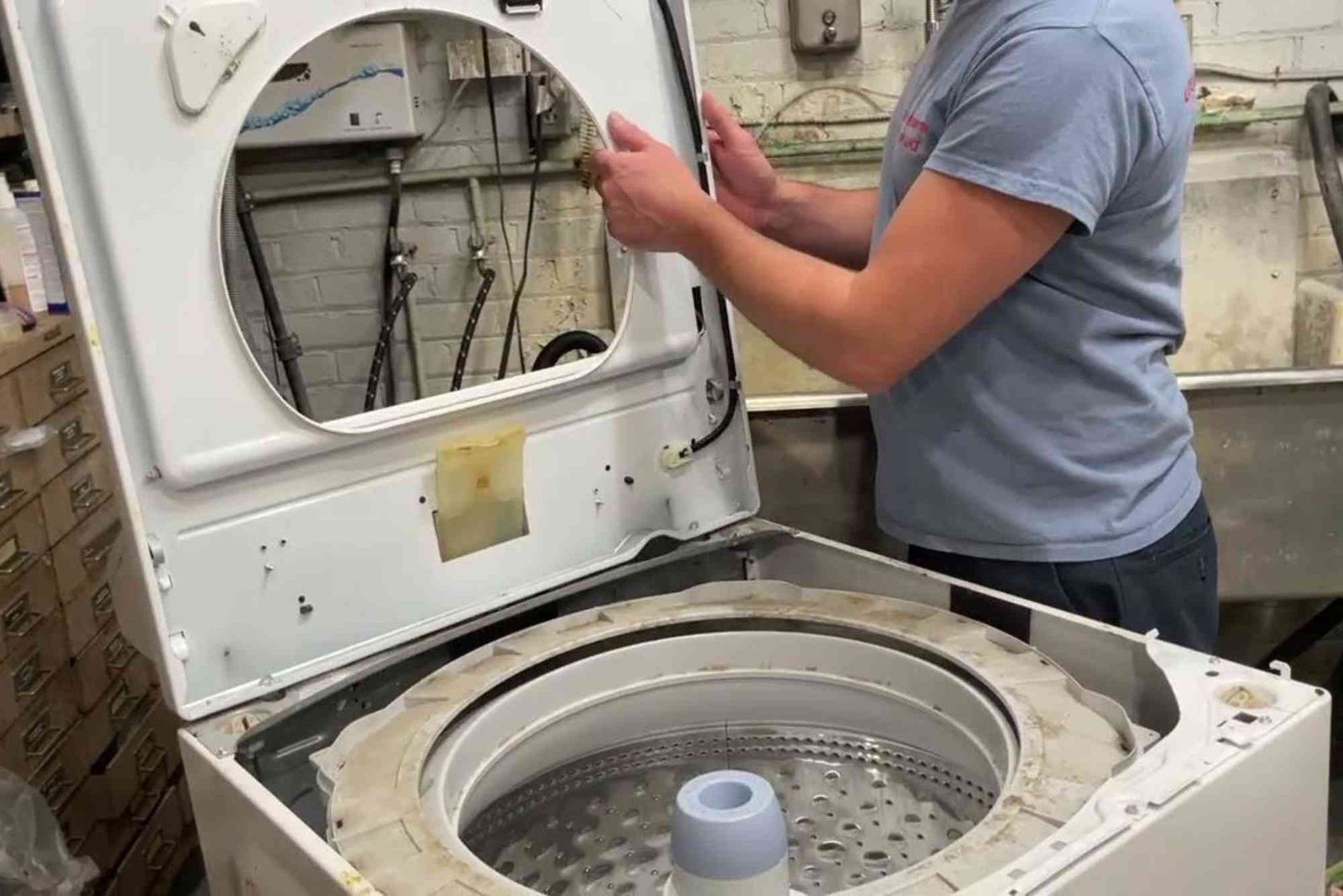
Remove the Top Panel and Control Console
Most washing machines require the top panel or control console to be removed. Use a screwdriver to detach screws carefully and place them in a secure spot. Removing these components gives better access to the suspension rods and drum.
Access the Suspension Rods
Once the top panel is removed, tilt the washing machine slightly backward to access the suspension rods at the bottom. Suspension rods are usually connected to the drum at one end and the machine’s base at the other. Check for wear, cracks, or bending.
Remove the Faulty Rods
Using a wrench or pliers, carefully detach the rods. Some machines have clips that need to be removed first. Take note of how the rods are positioned, or take a photo for reference when installing the new rods.
Install New Suspension Rods
Attach the new suspension rods in the same position as the old ones. Ensure they are secure and aligned properly. Misaligned rods can cause uneven movement and reduce the machine’s lifespan.
Reassemble the Machine
After installation, reattach the top panel and control console. Double-check all screws and connections to ensure everything is secure. Slowly set the washing machine upright and perform a test cycle to confirm the drum is balanced.
Common Mistakes to Avoid
Understanding how to repair washing machine suspension rods tips & common mistakes involves learning what not to do. Avoiding these errors will save time and prevent damage:
Installing Incorrect Rods
Using suspension rods not designed for your machine model can cause poor performance or damage. Always check the manufacturer’s specifications.
Ignoring Safety Precautions
Failure to unplug the washing machine or wear protective gloves can lead to electric shocks or injuries. Safety should always be your first priority.
Overlooking Other Components
Sometimes vibration is caused by worn drum bearings or loose mounts, not just suspension rods. Inspect all related parts before replacing rods.
Improper Alignment
Installing suspension rods incorrectly leads to uneven spinning and noise. Take time to align rods correctly according to the machine’s manual.
Rushing the Repair
A hasty repair increases the risk of mistakes. Set aside enough time to complete the repair carefully and methodically.
Maintenance Tips for Longer Rod Life
Regular maintenance can extend the lifespan of your suspension rods:
-
Avoid overloading the washing machine
-
Check drum balance before each spin
-
Clean the washing machine interior regularly
-
Inspect rods periodically for wear or bending
These simple practices reduce stress on suspension rods and prevent costly breakdowns.
Some issues require professional attention. If your machine continues to shake after replacing the rods, or if you notice leaks or electrical problems, contact a certified technician. Professional services ensure safety and proper repair. For further guidance, you can check an in-depth look at how to repair washing machine suspension rods.
Benefits of DIY Suspension Rod Repair
Repairing suspension rods yourself offers several advantages:
-
Cost-effective compared to hiring a technician
-
Fast solution without waiting for service appointments
-
Learning experience for future appliance maintenance
-
Immediate improvement in machine performance
However, ensure you have the right tools and knowledge before attempting a DIY repair.
Integrating DIY Repairs Into Home & Appliance Maintenance
Understanding home & decoration basics helps in integrating appliance maintenance into overall home care. Regularly checking appliances reduces downtime and increases efficiency. Suspension rods are just one part of home appliance care, but their proper maintenance significantly enhances washing machine longevity.
Expert Advice and Editorial Insights
Consulting an editorial partner with appliance repair expertise can offer valuable guidance. Experienced professionals provide tips on proper rod installation, diagnosing subtle vibration issues, and choosing the right replacement parts. Partnering with credible sources improves your repair success rate and builds confidence in DIY projects.
Frequently Asked Questions
How do I know if my washing machine suspension rods are broken?
Signs include excessive shaking, loud banging noises, drum instability, and uneven spinning. Visual inspection can confirm cracks or wear.
Can I replace suspension rods myself?
Yes, with basic tools and safety precautions, you can replace suspension rods. Follow step-by-step instructions to ensure proper alignment.
How much do replacement suspension rods cost?
The price varies depending on the washing machine model, typically ranging from $15 to $50 per rod. Always purchase genuine or compatible parts.
How often should I check suspension rods?
Inspect them every 6 to 12 months or whenever you notice abnormal vibrations or noises. Regular checks prevent major repairs.
What happens if I ignore faulty suspension rods?
Ignoring them can lead to severe vibrations, damage to the drum, bearings, or even electrical components. Timely repair prevents expensive breakdowns.
Understanding how to repair washing machine suspension rods tips & common mistakes empowers you to maintain a stable, efficient washing machine. By following proper steps, avoiding common errors, and integrating regular maintenance, you can extend the life of your appliance and enjoy quieter, smoother laundry cycles.
If you’re ready to tackle this repair, start by reviewing the detailed guidance in an in-depth look at how to repair washing machine suspension rods. For more home maintenance tips and DIY advice, explore our home & decoration basics resources. And for expert editorial insights, consult our editorial partner for professional guidance.