
Introduction
Repairing an oven can feel intimidating for first-time homeowners, but many small problems are simple to fix yourself. Learning the best how to repair oven timer and control knobs steps gives you confidence and helps you avoid costly technician visits. Most timer issues and knob failures happen due to dirt buildup, loose connections, worn-out plastic, or internal switch problems. With the right approach, you can restore smooth operation within minutes. This guide walks you through everything with clear explanations, easy techniques, and expert-backed safety notes.
Understanding these small repairs also strengthens your general appliance knowledge. If you’re passionate about improving household skills, you’ll find this topic helpful alongside resources like a complete guide to how to repair oven timer and control knobs from AboutRoyal and broader home & decoration basics that help you manage your home effectively. For those looking to enhance long-term home improvement capabilities, exploring home design references can also offer helpful context for planning your kitchen optimization.
Repair Oven Timer & Knobs Easily
Every oven timer and knob system includes simple mechanical and electrical components. The timer controls cooking duration or delay functions, while knobs adjust temperature and cooking modes. When one of these parts stops working, it usually indicates a mechanical obstruction, a worn spindle, a cracked knob, or a faulty timer mechanism.
How the Timer Mechanism Communicates with Heating Elements
The timer triggers the oven’s circuits at specific intervals. If the timer fails, the oven may not turn on or shut off correctly. Beginners often confuse timer faults with thermostat problems, but a timer failure usually shows signs like the display freezing or manual dials not turning smoothly.
How Control Knobs Interact with Internal Switches
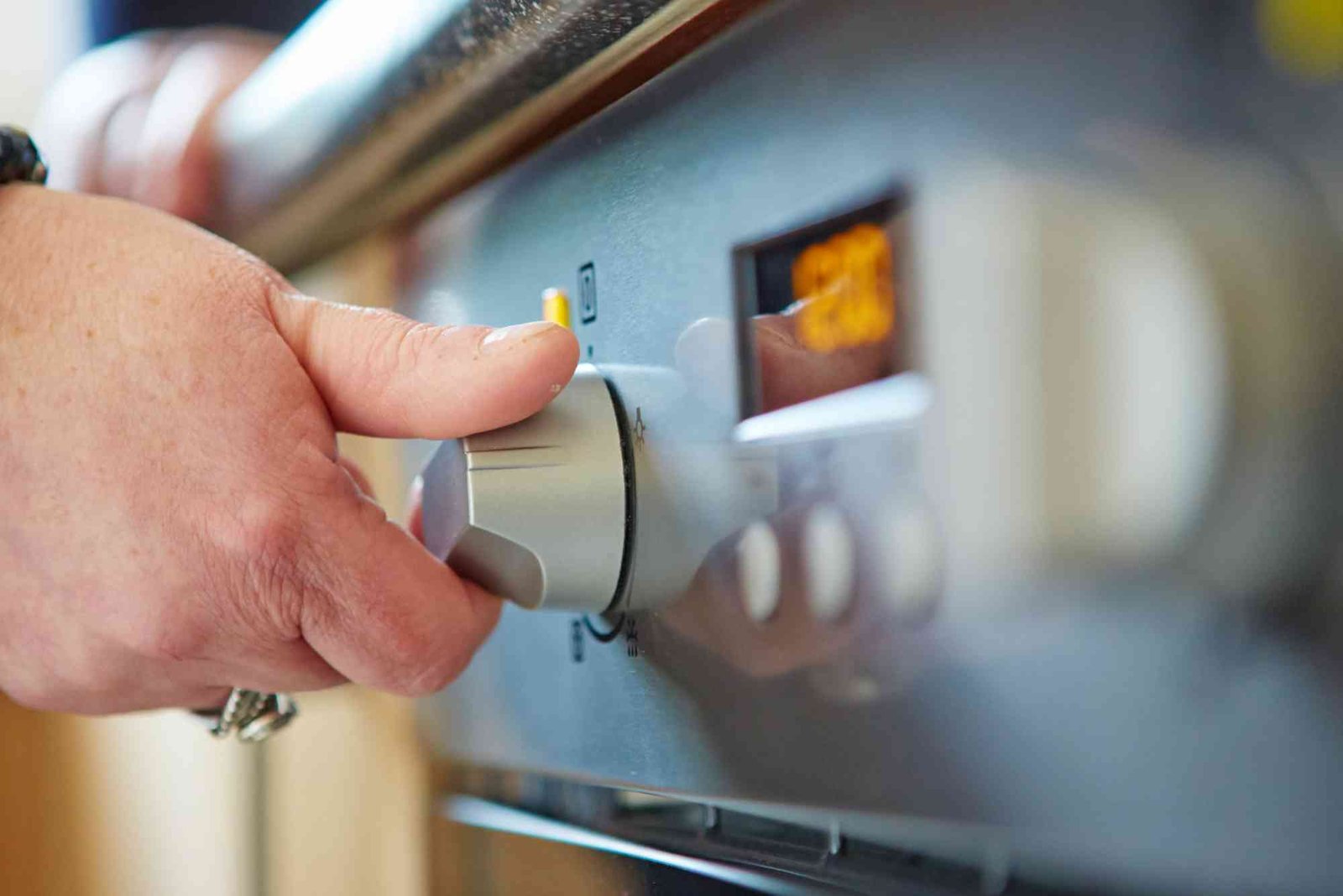
Control knobs attach to a metal shaft inside the oven. Turning the knob rotates the shaft, adjusting temperature or mode settings. When knobs slip, spin freely, or fall off, the issue usually lies with the plastic socket, shaft alignment, or a loose fastening point behind the panel.
Why You Should Learn How to Repair Oven Timer and Control Knobs
Knowing how to repair oven timer and control knobs provides immediate savings since technicians often charge high inspection fees. More importantly, these repairs are safe for beginners when done carefully. You also avoid cooking delays caused by a malfunctioning oven in daily routines. Repairs also extend the appliance’s lifespan. Well-maintained knobs and timers reduce overall strain on internal components.
Homeowners who understand basic repairs tend to take better care of their appliances in general. This leads to a smoother, more organized kitchen environment. These skills fit naturally into broader home & decoration basics, enhancing your ability to manage your home confidently.
How to Repair Oven Timer and Control Knobs
This section explains each step clearly. We avoid unnecessary complexity, making the process easy to follow for beginners.
Safety Preparation Before You Start
Always disconnect power from the oven. If it’s a gas oven, turn off the gas supply. These steps prevent accidental electric shocks and heat activation while working.
Inspecting the Timer for Mechanical Issues
Start by observing how the timer responds when you turn the dial. A stiff movement usually indicates dirt or dried grease inside the mechanism. If the timer dial does not move at all, the internal gears may be blocked. Gently pulling the unit out from the front panel helps you check for debris or loose screws. In many cases, tightening visible screws restores normal movement.
Cleaning the Timer to Restore Smooth Function
Timers often collect dust and grease from regular cooking activities. A small burst of compressed air clears most debris. A cotton swab lightly dipped in rubbing alcohol can clean the dial edges. Avoid over-saturating the area because moisture can cause internal corrosion.
Checking Electrical Connections Behind the Timer
Oven timers with digital displays depend on stable wiring. If your timer screen flickers or turns off, remove the back panel of the oven and inspect the connected wires. Loose connectors are common in older units. A firm push usually restores the connection. If wires show burn marks, the timer may require professional replacement.
Evaluating Control Knobs for Cracks and Wear
Most knobs fail due to cracked plastic sockets. The crack prevents the knob from gripping the metal shaft. Remove the knob by pulling it forward. Examine the inner ring for damage. If worn, replace it with a compatible model. Replacement knobs are inexpensive and easy to install.
Fixing Loose or Slipping Knobs
When knobs slip, the shaft may be dirty or slightly misaligned. Wipe the shaft clean, then press the knob back firmly. If it still slips, wrap a thin layer of plumber’s tape around the shaft before reattaching. This improves grip without harming the internal switch.
Aligning the Shaft for Consistent Temperature Settings
Sometimes the issue isn’t the knob but the shaft alignment. If the shaft leans or feels wobbly, check the screws securing the internal switch assembly. Tightening them restores straight alignment. Beginners should avoid removing the entire switch unless necessary.
Deep Cleaning Behind the Control Panel
Grease buildup behind the control panel can cause knob resistance or inaccurate temperature adjustment. Remove the front panel screws, lift the panel carefully, and wipe the inner area. Use minimal moisture to avoid electrical damage.
Testing Your Oven After Repairs
Reconnect power, turn the oven on, and test each knob. If the timer now moves smoothly and knobs grip strongly, your repair is successful. Observe heating consistency for a few minutes to confirm normal operation.
Common Causes of Oven Timer and Knob Failures
Understanding why these issues occur helps prevent future problems. Regular moisture, heat, and cooking grease wear down components over time. Knobs break easily when turned with excessive force. Digital timers fail due to power surges or loose internal wiring. Mechanical timers suffer from dirt accumulation, causing gear resistance.
Storing heavy items against the control panel also strains the knobs. Regular cleaning can prevent many failures. Maintaining your kitchen appliances aligns naturally with learning broader home & decoration basics, helping you take care of your entire home more effectively.
Signs You Need Professional Help
Beginners can handle most minor repairs. However, you should call a technician if:
The timer sparks, smells burnt, or shows melted wiring. The control panel becomes hot during operation. The oven fails to heat even after knobs and timer function correctly. The display remains blank after checking connections.
These symptoms signal deeper electrical problems that require trained specialists.
Long-Term Maintenance Tips for Oven Timers and Knobs
A little care keeps your oven in excellent condition. Clean the front panel weekly. Avoid using wet hands when turning knobs. Do not apply excess force when adjusting temperature settings. Surge protectors can protect digital timers from voltage spikes. These small habits reduce the likelihood of future repairs.
Enhancing your home maintenance knowledge often leads you to broader improvement resources. Pairing this guide with reliable home design references can inspire you to optimize both function and aesthetics in your kitchen.
Start Repairing with Confidence
Learning how to repair oven timer and control knobs gives you valuable control over your home appliances. Most problems are simple, safe, and quick to fix with careful inspection. With the steps in this guide, beginners can confidently restore timer accuracy and knob stability without stress. Regular maintenance also protects your oven from long-term damage, helping you save money and improve cooking efficiency.
If you want more detailed guidance, explore this complete guide to how to repair oven timer and control knobs on AboutRoyal. For broader home improvement trends, check out home & decoration basics or visit home design references for professional inspiration. Keep your kitchen running smoothly and take charge of your home’s functionality today.
FAQs
Why does my oven timer stop working suddenly?
Oven timers often stop due to loose wiring, internal gear blockage, or digital panel faults. Power surges may also freeze the display. Checking connections usually solves the issue.
How do I fix a loose oven knob?
A loose knob usually indicates a worn inner socket or dirty shaft. Cleaning the shaft and reattaching the knob firmly often restores grip. If the knob cracks, replacement is the best option.
Can I replace an oven timer myself?
Most mechanical timers are beginner-friendly to replace, but digital timers should be handled carefully. If wires look burnt or unfamiliar, calling a professional is safer.
Why does my oven knob spin without changing temperature?
This happens when the knob loses grip on the metal shaft. The inner plastic socket may be cracked. Replacing the knob usually resolves the problem.
Is it safe to open the control panel of an oven?
It is safe when the oven is fully powered off. Removing the panel allows basic cleaning and tightening. Avoid touching deep electrical sections if you lack experience.