
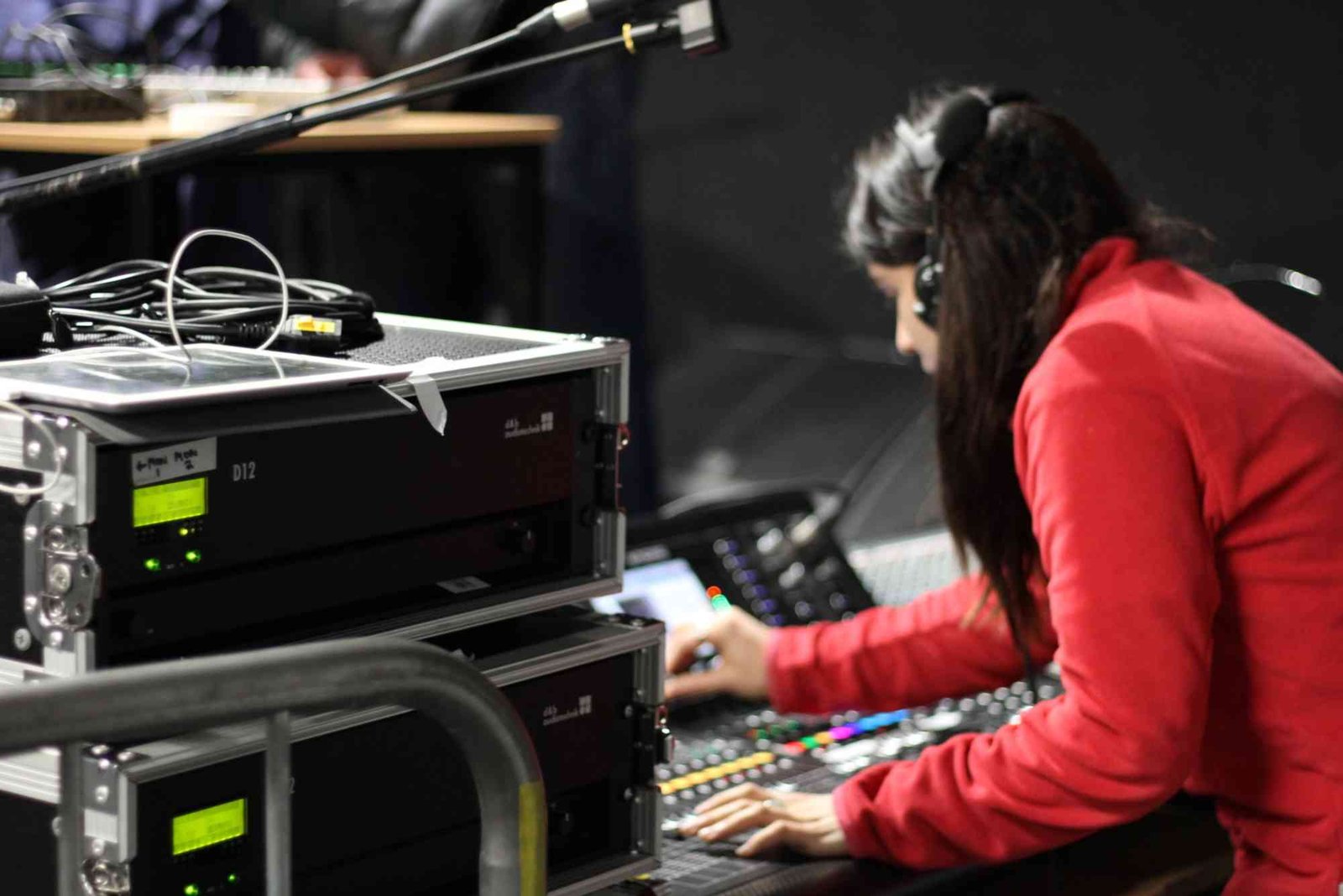
The future of live sound engineering careers in India is bright and filled with opportunity. As India’s entertainment, corporate, and events industries boom, the demand for skilled audio professionals is rising rapidly. Whether you aim to mix massive concerts or ensure perfect sound at corporate conferences, there has never been a better time to explore this field. In this comprehensive guide, we walk you through every essential step. You’ll gain clarity on what it takes to thrive and future‑proof your career. If you are passionate about sound systems, music, and technology, this article will be your roadmap to success.
What Is Live Sound Engineering?
Live sound engineering is the craft of managing audio at events in real‑time. It involves balancing instruments, vocals, and environmental sound using mixers, speakers, microphones, and digital tools. Unlike studio work, live sound engineers must make quick decisions in unpredictable environments. They blend technical skill with artistic sensitivity to deliver flawless audio experiences.
In India, live sound engineering is no longer limited to concerts. Conferences, fashion shows, theatre productions, and streaming events all require expert sound professionals. This growing diversity strengthens job prospects for anyone looking to enter or advance in this career.
Why Live Sound Engineering Is a Promising Career in India
India’s entertainment economy is expanding fast. Music festivals, awards shows, corporate events, and even virtual concerts are flourishing. Every event needs sound professionals who can design, set up, and manage audio systems. This demand creates a career landscape that is both vibrant and sustainable.
Moreover, technological progress is widening opportunities. Modern sound consoles, immersive audio formats, and wireless systems are becoming mainstream. Professionals with up‑to‑date skills are highly valued and often command competitive pay. With increasing internet connectivity across India, digital performances and hybrid events are also adding new pathways for live sound experts.
Skills and Knowledge You Need to Succeed
Becoming a successful live sound engineer requires a blend of technical skills and people skills. Understanding signal flow, equipment operation, and acoustics forms the backbone of this profession. You also need to communicate well with musicians, event planners, and clients.

A solid foundation starts with audio basics — learning how sound travels, how microphones work, how equalization shapes tone, and how mixers balance multiple inputs. These fundamentals allow you to troubleshoot problems quickly during live events. Equally important is mastering digital audio workstations and learning how to optimize audio for different environments.
Soft skills matter too. You should remain calm under pressure, think quickly, and adapt to changing situations. Whether you are mixing a metal band or a keynote speech, clarity of communication ensures everyone is on the same page. With consistent practice and real‑world experience, confidence and competence grow together.
Technical Skills Every Engineer Should Master
Live sound engineering demands a strong technical foundation. You must understand acoustics, learn how to work with digital audio workstations, and know how different environments affect sound quality. These technical abilities help you deliver consistent, high‑quality audio regardless of setting.
In addition, a modern live sound engineer should be comfortable using digital mixing consoles and networked audio systems. These tools enhance control and flexibility, but they require practice. The more familiar you become with these systems, the faster you can respond to challenges during live events. Learning through hands‑on work, online courses, or industry workshops makes you more competitive in the job market.
Personal Qualities That Set Professionals Apart
Beyond technical knowledge, personal qualities shape your reputation. Reliability, punctuality, and teamwork are highly regarded in the live events industry. Clients and collaborators want professionals who stay calm under pressure and communicate clearly.
Every event environment introduces unexpected challenges. Weather changes, last‑minute lineup shifts, or equipment malfunctions can occur. Engineers who solve problems calmly and creatively are valued team members. Building strong relationships often leads to repeat work and referrals. Over time, your network becomes one of your greatest career assets.
Education and Training Pathways in India
If you are serious about a career in live sound engineering, formal education can provide structure and credibility. Many Indian institutes offer diploma and certificate programs in audio engineering and sound technology. These programs typically combine theoretical learning with hands‑on practice.
For those without access to formal institutes, online courses are excellent alternatives. Platforms like Coursera, Udemy, and Berklee Online offer industry‑relevant instruction from experienced professionals. You can learn at your own pace and often build a portfolio as you go.
Ultimately, education alone isn’t enough. Live sound engineering careers thrive on experience. Seek internships, volunteer at local events, or assist established engineers. Real‑world exposure sharpens your skills in ways textbooks cannot.
Choosing the Right Program
Selecting the right educational path depends on your goals and resources. Short courses in audio technology are ideal for beginners who want foundational knowledge. Advanced programs offer deeper insights into sound design, acoustics, and advanced mixing techniques.
Consider programs that include practical projects. Working with real equipment and collaborating with peers builds confidence. Additionally, seek feedback from experienced professionals whenever possible. Their guidance speeds up your learning curve and prepares you for the realities of live events.
Tech Trends Shaping Live Sound Engineering
The next decade will bring exciting technological developments to live sound engineering. Immersive audio technologies like spatial sound systems are rising in popularity. These systems deliver more realistic and engaging audio experiences for audiences.
Wireless audio networks are also advancing. Engineers now manage multiple wireless microphones, in‑ear monitors, and digital consoles without tangles or interference. These innovations make setups more flexible and efficient.
Artificial intelligence (AI) is another emerging influence. AI‑assisted tools can analyze mix quality and suggest adjustments in real‑time. While human judgment will always be central to live mixing, these tools help streamline workflows and elevate performance.
Building a Professional Portfolio
Portfolio development is crucial for establishing your credibility. Document your work through high‑quality audio clips, photos of setups, and client testimonials. This content shows potential clients and employers what you can deliver.
In addition to your portfolio, maintain an updated social media presence. Platforms like Instagram, YouTube, and LinkedIn allow you to showcase your work and connect with industry professionals. Share behind‑the‑scenes clips of your process, breakdowns of complex setups, and successes from events you’ve mixed. A strong online presence amplifies your reach and attracts opportunities.
Networking and Mentorship
Networking plays an essential role in building a successful career. Connect with musicians, producers, event planners, and fellow engineers. Industry events, meetups, and online forums are excellent places to build relationships.
Mentors accelerate your growth by sharing their insights and guiding decision‑making. A mentor can provide feedback on your technique, recommend resources, or introduce you to potential clients. Even one strong mentor relationship can significantly impact your trajectory.
Finding Work: From Gigs to Full‑Time Roles
Initially, most engineers begin with freelance gigs. Local bands, small clubs, and community events are common starting points. As your skill and confidence grow, you will attract more prominent opportunities.
Full‑time roles exist with event production companies, broadcast studios, sports venues, and corporate event firms. These positions offer stability and continuous learning. Many professionals balance freelance work with part‑time or full‑time roles to expand income and experience.
Income Potential and Career Growth
Compensation in live sound engineering varies depending on experience, event scale, and location. Entry‑level roles might pay modestly, but experienced engineers at large festivals or corporate events can earn significantly more. Over time, reputation and specialization — such as expertise in immersive audio — can increase your earning potential.
Career growth doesn’t stop at mixing live events. Many engineers move into sound design, technical directing, or studio production roles. Others become educators, consultants, or event technologists. The skills you develop in live sound are transferable across many sectors of the entertainment and technology industries.
Challenges You May Encounter
Like any career, live sound engineering comes with challenges. Long hours, travel, and high‑pressure environments are common. Event schedules often require work during evenings and weekends. These demands can be rewarding but require stamina and discipline.
Overcoming these challenges depends on preparation and mindset. Strong organization keeps your gear and schedule manageable. Prioritizing rest and work‑life balance helps prevent burnout. With experience, you learn how to optimize your workflow and anticipate potential issues before they arise.
How to Stay Ahead in This Dynamic Field
Continuous learning is key to staying relevant. Technologies evolve rapidly, and trends shift as new audio tools emerge. Subscribing to industry magazines, attending workshops, and joining professional groups keeps you informed. The more you know, the more value you offer to clients and employers.
If you want deeper context into training and career paths, learn more about the future of live sound engineering careers in India at the linked resource. Keeping your skills sharp helps you adapt as opportunities grow and markets evolve.
Your Career Starts Today
The future of live sound engineering careers in India is both exciting and full of potential. By building strong technical skills, gaining practical experience, and nurturing professional relationships, you set yourself up for long‑term success. The world needs expert sound engineers now more than ever.
Sound engineering is more than a job — it’s a blend of creativity, technology, and problem‑solving. Step into this career with confidence, commitment, and curiosity. Start small, stay consistent, and watch your opportunities multiply.
Whether you’re just beginning or seeking to level up, the world of live sound engineering welcomes determined professionals with open arms. Start laying the foundation now, and your future will resonate with success.
If you are curious about technical fundamentals beyond audio, you might also explore automobile basics to expand your understanding of mechanical systems. And for those managing equipment, refer to official maintenance guidance to ensure your gear stays in top condition.
Frequently Asked Questions (FAQs)
What does a live sound engineer do at events?
A live sound engineer manages audio quality at events by balancing microphones, instruments, and speakers. They ensure the audience hears clear, well‑balanced sound in real time.
How can I start a career in live sound engineering in India?
Begin by learning audio fundamentals through courses or self‑study. Gain hands‑on experience by volunteering at local events. Build a portfolio and connect with professionals to find opportunities.
Is live sound engineering a stable career in India?
Yes. Events, corporate functions, concerts, and digital performances are growing, increasing demand for skilled audio professionals. With specialization and experience, stability improves.
What skills are most important for success?
Technical skills like signal flow understanding and mixing are essential. Soft skills like communication, problem‑solving, and adaptability are equally important.
Do I need formal education to become a sound engineer?
Formal education helps but isn’t mandatory. Many professionals succeed through online learning and real‑world experience. What matters most is your skill and ability to deliver quality sound.
Related Reading: What Is The Difference Between Recovery And Towing Checklist (Step-By-Step Guide)
Related Reading: Best Future of Live Sound Engineering Careers in India for Beginners