
Introduction
Washing machines are indispensable in modern homes, simplifying our laundry routines and saving valuable time. However, one common annoyance homeowners face is excessive vibration during the spin cycle. This shaking not only disrupts your household but can also damage your machine and shorten its lifespan. Understanding why washing machines vibrate excessively on spin, along with practical tips to minimize this issue, is essential for anyone aiming to maintain an efficient, long-lasting appliance.
Understanding Why Washing Machines Vibrate Excessively
Excessive vibration during a spin cycle is rarely just a random mechanical issue. Various factors, from installation errors to internal component problems, can cause a washing machine to shake violently. By addressing these issues, you can significantly reduce vibration and ensure smoother operation.
Uneven Load Distribution
One of the most common reasons for vibration is uneven load distribution. When heavy clothes, such as towels or blankets, cluster on one side of the drum, the machine becomes unbalanced. During high-speed spins, this imbalance amplifies vibration, creating a loud shaking sound. Regularly mixing smaller and larger items can prevent this problem.
Incorrect Machine Leveling
A washing machine must sit perfectly level on the floor. Uneven floors or improperly adjusted machine feet can cause the appliance to wobble during spin cycles. Even a minor tilt can result in exaggerated vibrations. Using a spirit level to check the machine and adjusting its legs ensures stability.
Worn-Out Shock Absorbers
Shock absorbers, also known as dampers, help reduce drum movement during spins. Over time, these components can wear out or become damaged, diminishing their effectiveness. A machine with faulty shock absorbers often vibrates excessively and may make banging or clunking noises.
Faulty Suspension Springs
Front-loading washing machines rely on suspension springs to keep the drum balanced. Broken or weakened springs allow the drum to swing freely, especially at higher speeds. If your washing machine vibrates violently, inspecting suspension springs may reveal the root cause.
Drum Bearing Issues
Drum bearings support the inner drum and allow it to rotate smoothly. Worn bearings create friction, causing irregular movement and vibrations. In severe cases, the drum may become misaligned, producing loud grinding sounds and shaking the entire machine. Bearing replacement is often necessary in such situations.
Overloading the Machine
Many users overload their washing machines in a bid to save time. While convenient, this practice is a leading cause of vibration. A drum stuffed beyond its capacity struggles to spin evenly, putting stress on internal components and increasing the likelihood of shaking. Always follow the manufacturer’s load recommendations.
Floor Type and Surface
The type of floor your washing machine rests on affects vibration. Hard, uneven floors like tile or wood can amplify shaking, while carpets may dampen it but can also affect drainage and stability. Placing a non-slip rubber mat under the machine can help absorb some of the vibrations.
Practical Tips to Reduce Washing Machine Vibration
Once you understand why washing machines vibrate excessively on spin, the next step is implementing effective solutions. Simple adjustments can save money, protect your appliance, and extend its life.
Level Your Washing Machine
Start by checking the machine’s level. Most washing machines have adjustable feet that can be turned to stabilize the appliance. Use a spirit level to ensure the machine sits evenly, front to back and side to side. Even slight improvements in leveling can significantly reduce vibration.
Balance Loads Properly
Avoid placing heavy items on one side of the drum. Mix smaller garments with bulkier ones to distribute weight evenly. For bulky loads, such as blankets or comforters, consider using a separate wash cycle. Proper load balancing prevents extreme spinning and excessive shaking.
Inspect Shock Absorbers and Springs
If your machine continues to vibrate after leveling and balancing, examine the shock absorbers and suspension springs. Look for signs of wear, corrosion, or damage. Replacing faulty components is often a straightforward and effective way to restore stability.
Avoid Overloading
Overloading is a preventable cause of excessive vibration. Follow your washing machine’s load recommendations for each cycle. If you have a large laundry batch, split it into smaller loads to ensure even spinning and reduce stress on internal parts.
Use Anti-Vibration Pads
Placing anti-vibration pads under the washing machine’s feet can absorb some of the shaking. These pads are inexpensive, easy to install, and can make a noticeable difference, especially on hard floors.
Check Drum Bearings
If you notice a loud grinding sound along with vibration, the drum bearings may be worn. Bearings are critical for smooth drum rotation. Replacing them typically requires professional assistance, but it is essential to prevent further damage to your washing machine.
Avoid Hard and Uneven Surfaces
Whenever possible, position your washing machine on a flat, solid surface. Uneven floors, tilting tiles, or weak wooden panels can exacerbate vibration. Reinforcing the floor or using a rubber mat can help stabilize the machine.
Common Mistakes That Lead to Excessive Vibration
Even with the best intentions, certain user habits and installation errors can unintentionally trigger excessive washing machine vibration. Recognizing these mistakes allows you to prevent recurring issues.
Ignoring Installation Guidelines
Many users overlook installation instructions, assuming that placement and leveling are minor details. Incorrect installation can immediately lead to imbalance and excessive vibration. Always follow manufacturer recommendations carefully.
Neglecting Maintenance
Regular maintenance is key to a washing machine’s longevity. Ignoring wear and tear on shock absorbers, springs, and drum bearings leads to vibrations and potential breakdowns. Periodic checks and timely repairs prevent these issues from escalating.
Mixing Heavy and Lightweight Fabrics Poorly
Loading the drum without considering fabric weight can cause uneven spinning. For instance, washing a few heavy towels with many lightweight shirts can create imbalance. Distributing items evenly is essential for smooth operation.
Overusing High-Speed Spin Cycles
Using high-speed spin cycles for every load may seem efficient but can aggravate vibration, especially if the machine isn’t perfectly balanced. Reserve faster spin settings for heavier loads and delicate items that require gentler cycles.
Placing the Machine on a Weak Surface
Soft floors or unstable platforms amplify vibration. Avoid placing your washing machine on carpets that compress under weight or on floors that bend easily. A strong, flat surface is critical for stable operation.
Ignoring Early Warning Signs
Unusual noises, slight shaking, or small tilts may seem minor but are often precursors to serious vibration issues. Addressing these early can save time, money, and prevent damage.
For those interested in a more detailed guide, an in-depth look at why washing machines vibrate excessively on spin provides comprehensive explanations and solutions.
When to Call a Professional
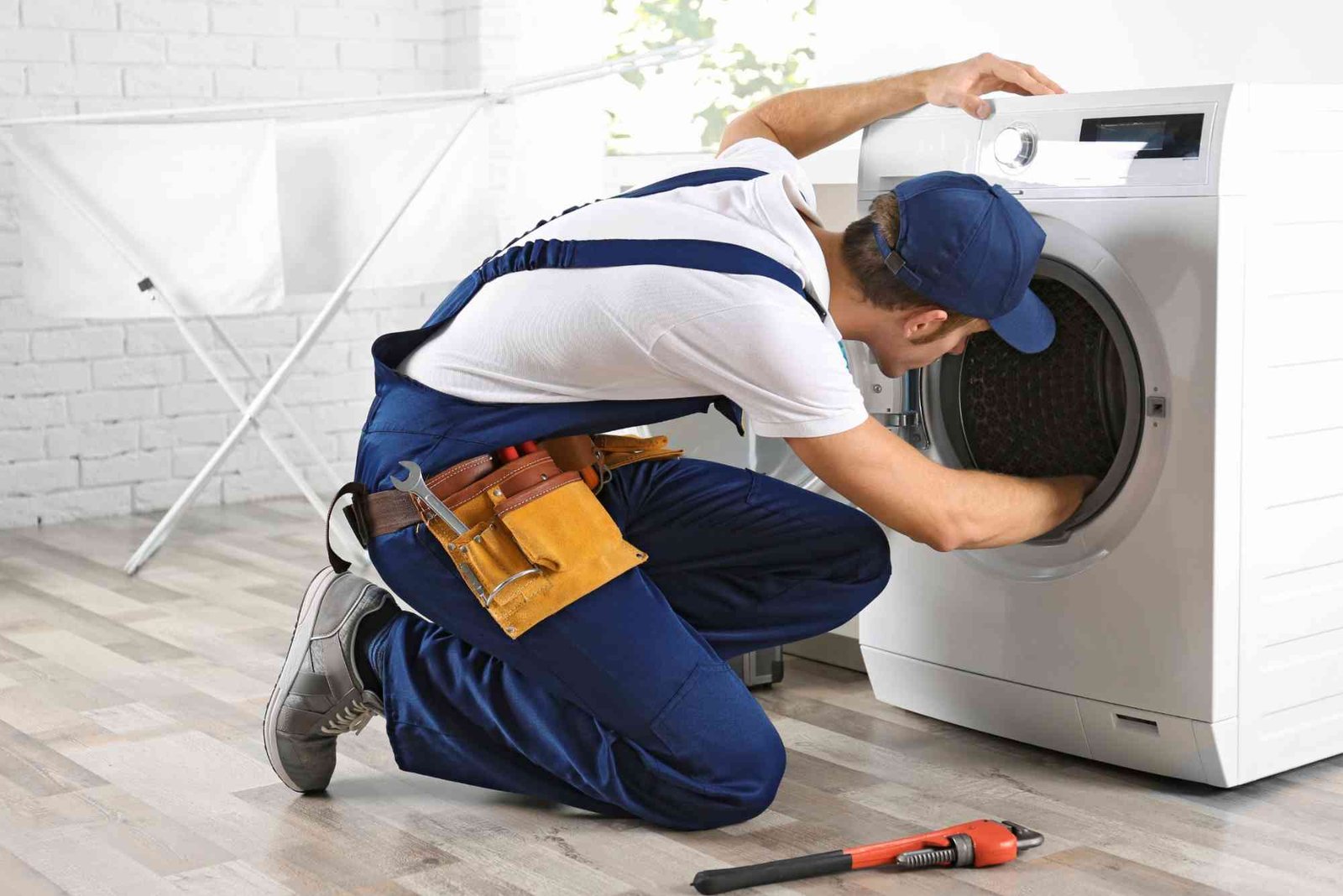
Some vibration issues require expert attention. If your washing machine continues to shake after addressing common causes, or if you detect strange noises, it may be time to call a professional. Technicians can inspect bearings, dampers, and other internal components to diagnose and resolve the problem. Additionally, consulting an editorial partner with expertise in appliances can offer insights into maintenance best practices and safe repair options.
Excessive vibration in washing machines is more than just an annoyance. It can indicate underlying problems that, if ignored, may shorten the machine’s lifespan. By understanding the common causes, avoiding frequent mistakes, and implementing practical tips like leveling, balancing loads, and checking shock absorbers, you can enjoy a quieter and more efficient laundry experience. Maintaining your appliance properly protects both your investment and your home. For homeowners exploring additional ways to enhance their living space, exploring home & decoration basics can complement appliance maintenance with smart household practices.
Maintaining a washing machine doesn’t have to be complicated. Take the first step today by leveling your machine, balancing your loads, and checking critical components. A small effort now ensures smooth, worry-free laundry cycles for years to come.
FAQs
Why does my washing machine shake violently during spin?
Violent shaking usually occurs due to uneven load distribution, worn shock absorbers, or an unlevel machine. Balancing loads and checking components often resolves the issue.
Can I fix washing machine vibration myself?
Some issues like leveling, balancing loads, or using anti-vibration pads can be addressed by homeowners. Internal problems like worn bearings may require professional repair.
Does overloading the drum cause vibration?
Yes, overloading creates imbalance during spin cycles, increasing vibration and potentially damaging internal parts.
Are front-loading and top-loading machines affected differently?
Front-loading machines rely on suspension springs and are more prone to vibration if springs wear out. Top-loading machines may vibrate if uneven loads or weak floors are involved.
How often should I check my washing machine for vibration issues?
Regularly inspect your machine every few months, especially if you notice noise, shaking, or uneven performance. Early detection prevents costly repairs.