Introduction
Understanding market dynamics is crucial for anyone involved in business, finance, or economics. One concept that often surfaces in this context is the equilibrium price. But what exactly does it mean, and why does it matter? In this article, we’ll explore the concept in depth, share practical tips, and highlight common mistakes to avoid. Whether you are a student, investor, or entrepreneur, gaining clarity on equilibrium price can significantly improve your decision-making. For an in-depth look at what is equilibrium price, check out our comprehensive guide.
What Is Equilibrium Price?
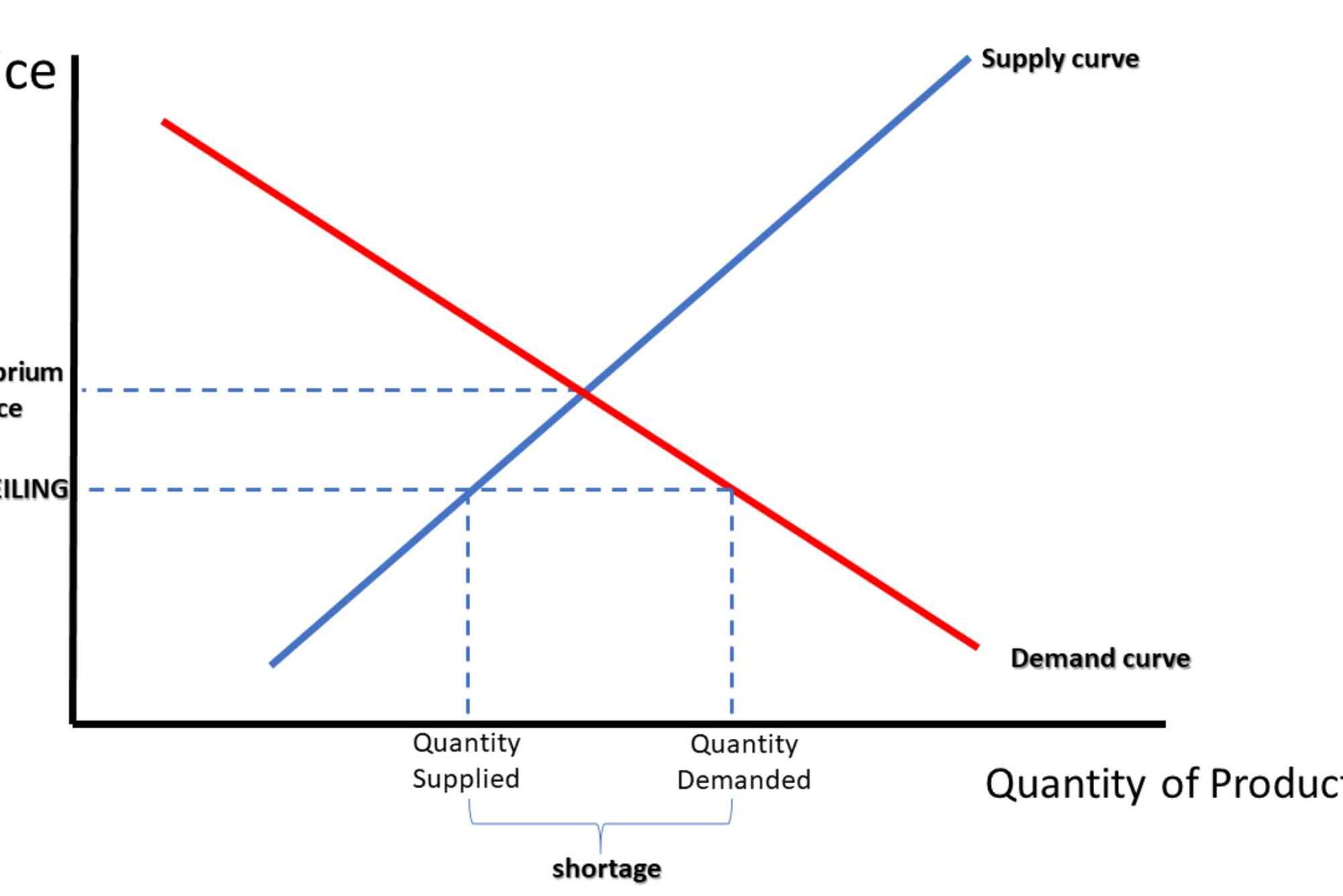
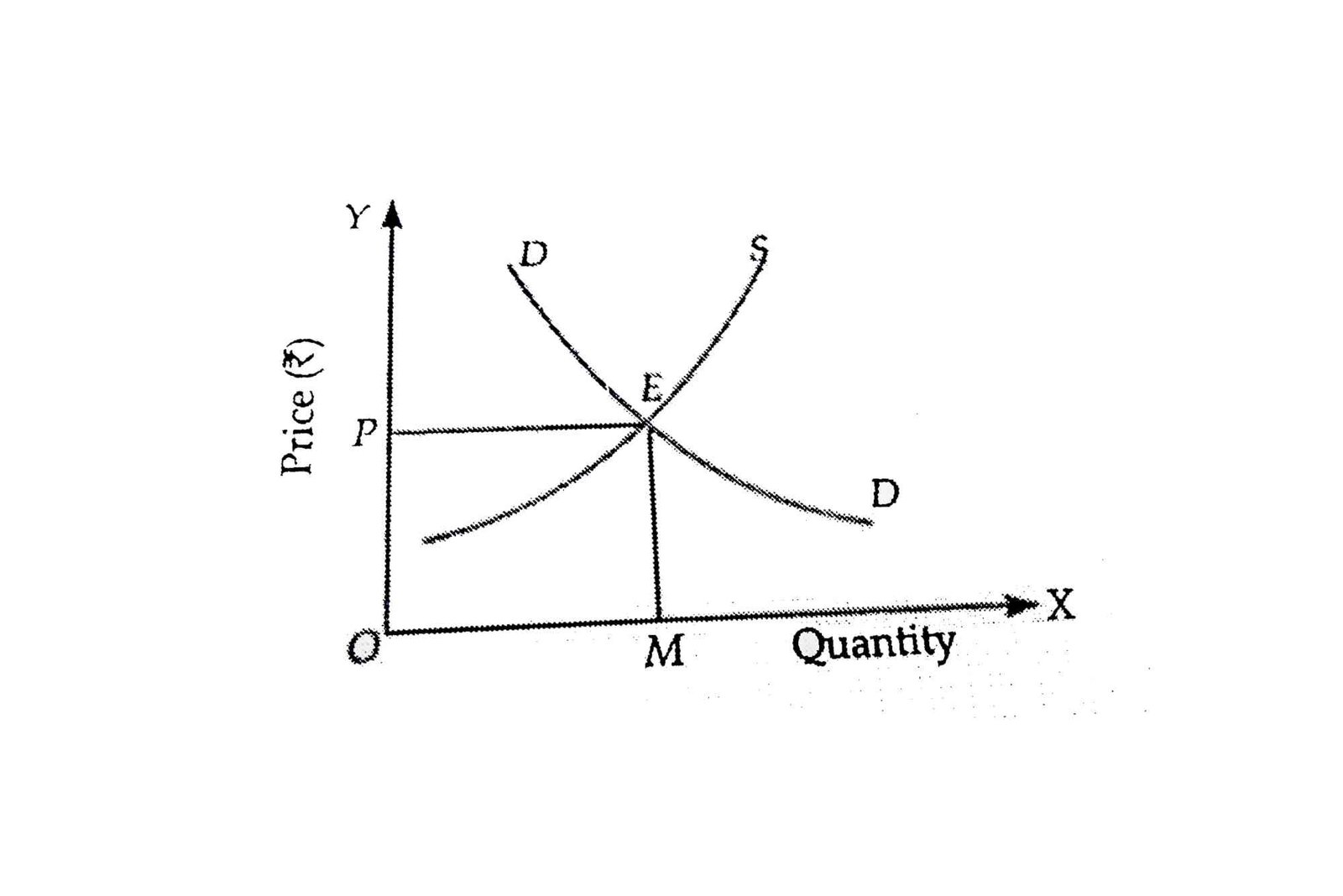
The equilibrium price is the point where the quantity of a product demanded by consumers equals the quantity supplied by producers. At this price, there is no shortage or surplus in the market. Essentially, it represents a state of balance, where buyers are willing to purchase exactly what sellers are willing to sell. Economists often depict this concept using supply and demand curves that intersect at the equilibrium point.
When a market operates at the equilibrium price, it signals efficiency. Resources are allocated optimally, and both buyers and sellers are satisfied. Prices above or below this point tend to create market imbalances.
How Equilibrium Price Is Determined
Equilibrium price emerges naturally through market interactions. Demand and supply are the two main forces driving this process. The demand curve shows how much consumers are willing to buy at different price levels, while the supply curve indicates how much producers are willing to sell.
When prices are too high, the quantity supplied exceeds the quantity demanded, leading to a surplus. Sellers often reduce prices to clear excess inventory, which moves the market toward equilibrium. Conversely, when prices are too low, demand exceeds supply, causing a shortage. Prices rise as buyers compete for limited goods, again moving toward equilibrium. This dynamic adjustment continues until the market reaches a stable price point. External factors such as government policies, natural events, and global trade can also influence equilibrium price. For instance, a sudden increase in production costs may shift the supply curve upward, raising the equilibrium price. Similarly, changes in consumer preferences can shift the demand curve, altering the price at which supply and demand meet.
Importance of Understanding Equilibrium Price
Understanding the equilibrium price is not just an academic exercise; it has real-world implications for business and personal finance. For businesses, knowing this price helps in setting competitive pricing strategies. Overpricing may lead to unsold inventory, while underpricing can reduce profit margins. For consumers, understanding equilibrium price helps in recognizing fair market value and making informed purchasing decisions.
Investors also benefit from analyzing equilibrium prices. By studying market trends and supply-demand shifts, they can anticipate price movements and make strategic decisions. Governments use equilibrium concepts to evaluate the impact of taxes, subsidies, and price controls on the economy. Overall, the equilibrium price serves as a foundational principle in both business & finance basics.
Tips for Identifying Equilibrium Price
Identifying equilibrium price requires careful analysis and observation. Here are some actionable tips:
Study Supply and Demand Trends
Monitoring market trends allows you to predict potential changes in supply and demand. Seasonal patterns, competitor activities, and consumer behavior all influence equilibrium price. Regular data collection and analysis are essential for accurate assessments.
Use Real-Time Market Data
Digital tools and market analytics platforms provide real-time pricing and inventory data. Leveraging these resources helps businesses in-depth look at what is equilibrium price respond quickly to shifts in demand or supply, maintaining equilibrium efficiently.
Consider External Influences
External factors such as inflation, government regulations, and technological advancements can impact supply and demand. Evaluating these factors ensures more precise equilibrium price calculations and prevents mispricing.
Test Price Adjustments
Businesses can experiment with small price changes to observe consumer responses. Monitoring sales and inventory fluctuations provides insights into whether the current price aligns with market equilibrium.
Learn From Competitors
Competitor pricing offers valuable information about market trends and consumer expectations. Understanding how competitors adjust prices under different market conditions helps in determining a sustainable equilibrium price.
Common Mistakes Related to Equilibrium Price
Despite its apparent simplicity, many businesses and individuals make mistakes regarding equilibrium price. Avoiding these pitfalls is crucial for effective decision-making.
Ignoring Market Signals
Some businesses set prices based solely on production costs or profit margins, ignoring consumer demand. This often leads to unsold stock or lost sales. Market signals provide essential feedback that should guide pricing decisions.
Overreacting to Short-Term Fluctuations
Temporary changes in demand or supply can tempt businesses to adjust prices too frequently. Reacting hastily can destabilize your market position. Equilibrium price requires patience and careful analysis of long-term trends.
Neglecting External Factors
Failing to consider economic, political, or environmental factors can result in incorrect pricing. Even small changes in taxes, tariffs, or supply chain disruptions can shift the equilibrium price.
Misreading Data
Incorrect interpretation of market data is a common mistake. Inaccurate demand forecasts or supply estimates can lead to prices that do not reflect true market conditions. Employing reliable analytics and validating data sources is essential.
Relying Solely on Historical Prices
Past prices can guide decisions but should not be the only reference. Market conditions evolve, and equilibrium price adapts accordingly. Continuous monitoring and flexibility are key to maintaining balance.
Practical Applications of Equilibrium Price
Equilibrium price concepts apply across industries and markets. Retail businesses use it to set product prices, while service providers adjust fees based on market demand. Stock markets, commodities trading, and real estate markets all rely on supply-demand equilibrium to determine prices.
In economics education, understanding equilibrium price helps students grasp broader concepts such as consumer surplus, producer surplus, and market efficiency. In strategic planning, businesses use equilibrium price analysis to forecast revenue, plan production, and optimize resource allocation. Governments also utilize this concept to implement price ceilings or floors while minimizing unintended market distortions.
How to Maintain Equilibrium in Dynamic Markets
Markets are rarely static. Maintaining equilibrium price requires proactive strategies. Businesses must track changes in consumer preferences, production costs, and competitor pricing. Implementing agile pricing strategies allows adjustments without causing abrupt market shocks.
Supply chain management plays a critical role. Efficient production, inventory control, and distribution ensure that supply matches demand consistently. Technology, such as AI-powered forecasting tools, can provide predictive insights to maintain equilibrium even in volatile markets.Communication with stakeholders, including suppliers, distributors, and customers, also supports equilibrium. Transparent pricing policies help manage expectations and reduce friction, fostering trust and stability.
The equilibrium price is a cornerstone of market efficiency. Understanding how it works, recognizing its importance, and avoiding common mistakes can improve both business decisions and personal financial strategies. By monitoring supply-demand dynamics, leveraging real-time data, and considering external influences, you can identify and maintain equilibrium more effectively. Whether you are an entrepreneur, investor, or student, mastering equilibrium price concepts provides a competitive advantage in navigating complex markets. For expert guidance and insights, you can explore our editorial partner resources. Achieve better pricing decisions and market understanding today by applying these principles. Track your market carefully, respond thoughtfully, and maintain balance to maximize efficiency and profitability.
FAQs
What does equilibrium price mean in simple terms?
Equilibrium price is the price at which the quantity demanded equals the quantity supplied. At this price, there is no shortage or surplus.
How is equilibrium price calculated?
It is determined where the supply and demand curves intersect. Analyzing market trends, supply levels, and consumer demand helps find this price.
Why is equilibrium price important for businesses?
It helps set competitive prices, optimize inventory, and maximize profits by avoiding shortages or surpluses.
What factors can affect equilibrium price?
External factors like government policies, production costs, consumer preferences, and global market conditions can all shift the equilibrium price.
Can equilibrium price change over time?
Yes. Market conditions are dynamic, so equilibrium price can change with shifts in supply, demand, or external factors.
How can I avoid mistakes in setting equilibrium price?
Monitor market signals, use accurate data, consider external influences, and avoid reacting hastily to short-term fluctuations.