
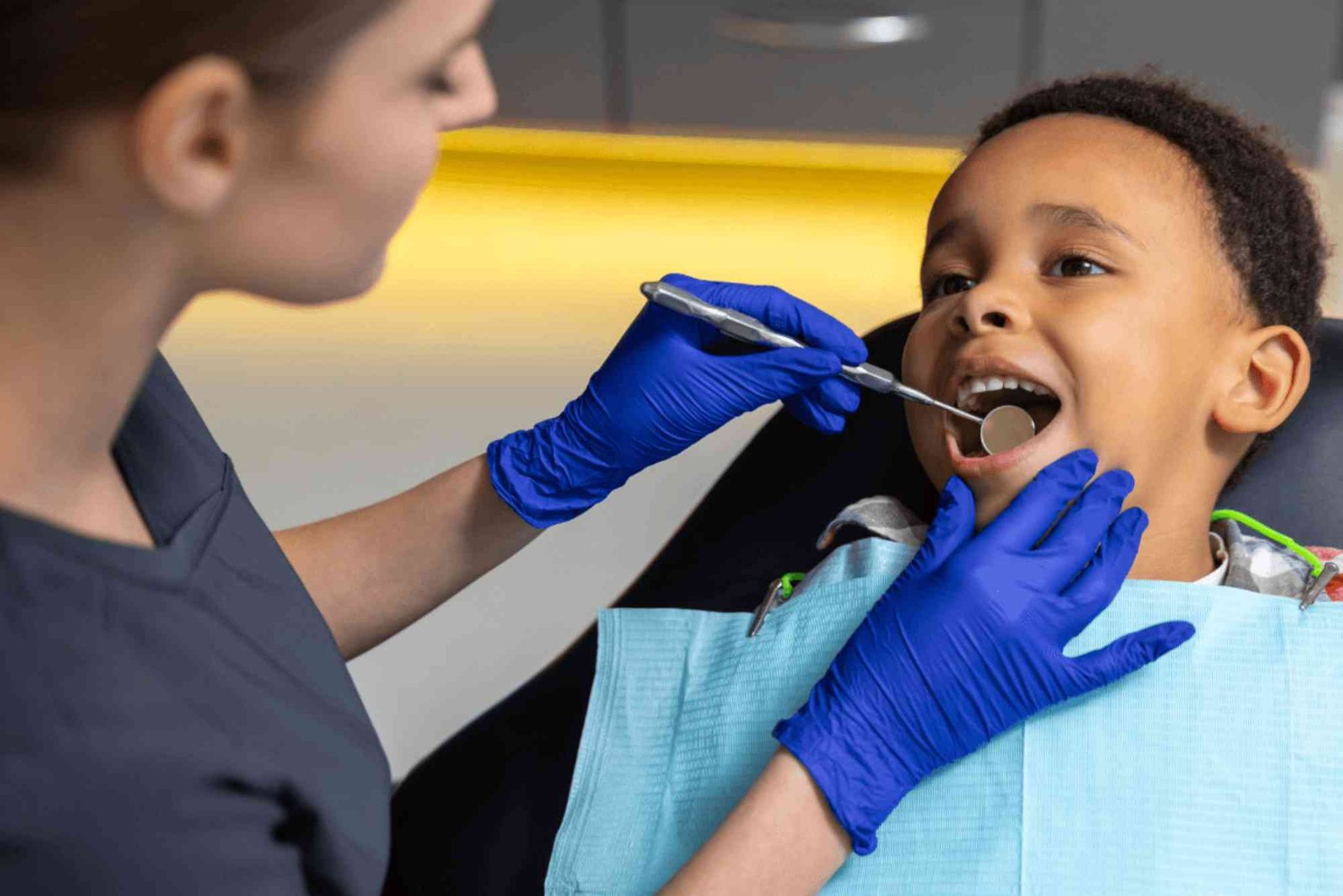
Introduction
Taking your child to the dentist for the first time can feel overwhelming. Many parents worry about how their little one will react, whether they’ll be cooperative, or if they’ll develop a fear of dental care. That’s why having a clear plan is essential. This guide, How To Prepare Your Child For The First Dentist Checklist (Step-By-Step Guide), will provide you with practical, actionable steps to make the first visit a positive experience.
By following these steps, you can help your child feel comfortable, confident, and ready to start a lifetime of healthy dental habits.
Understanding the Importance of Early Dental Visits
Introducing your child to the dentist early has multiple benefits. Pediatric dental care is not only about cleaning teeth but also about educating both parents and children. Regular visits prevent cavities, detect potential issues early, and set the foundation for a healthy smile. Children who begin dental care early often develop better oral hygiene habits and experience less anxiety during future visits.
Dentists recommend scheduling the first visit by the child’s first birthday or within six months of the first tooth eruption. This may seem early, but it allows your child to become familiar with the dental office environment gradually.
Choose the Right Pediatric Dentist
Selecting a dentist who specializes in children is the first crucial step. Pediatric dentists are trained to handle the unique needs of children and provide a friendly, welcoming environment. Look for a clinic that has a child-friendly atmosphere, including colorful walls, toys, and staff trained in pediatric care.
Before booking the appointment, consider visiting the clinic yourself. This allows you to check hygiene standards, meet the dentist, and gauge the environment. It also ensures that the dental team is comfortable explaining procedures in a way your child will understand.
Talk About the Visit in a Positive Way
Your child takes cues from your attitude. Avoid using words like “pain” or “hurt,” which can create anxiety. Instead, explain the visit as a fun opportunity to have their teeth checked and cleaned. You can describe the dentist as a friendly helper who ensures teeth stay strong and healthy.
Books and videos can be excellent tools to help children understand the process. There are many resources designed specifically for children, illustrating dental tools and procedures in a non-threatening way. By using these resources, you can prepare your child emotionally and reduce fear.
Practice At Home
Familiarity is a powerful tool for children. Before the appointment, practice simple routines at home, like opening their mouth and counting teeth. You can play pretend dentist games, using a toothbrush as the “mirror” or having them check your teeth first. This role-playing helps children understand what to expect and makes the actual visit less intimidating.
Additionally, reinforce basic oral hygiene practices. Teach your child to brush twice a day using a soft-bristled toothbrush and fluoride toothpaste. Demonstrating proper brushing techniques helps your child feel prepared and confident for what the dentist will do.
Pack Essentials for the Appointment
Being prepared helps reduce stress for both parents and children. Bring along your child’s favorite toy or blanket to provide comfort. A small snack or drink can also help in case your child feels nervous. Make sure to carry your child’s dental records if available, especially if this isn’t your regular dentist.
It’s also helpful to dress your child in comfortable clothing. Avoid outfits that are difficult to remove, as some dental procedures may require your child to recline in the dental chair. Comfort ensures a smoother experience and less fuss during the appointment.
Timing Matters
Scheduling the appointment at a time when your child is well-rested and fed can significantly impact their behavior. Avoid times when your child is usually tired or irritable. Morning appointments often work best because children are generally more cooperative when they have full energy and attention.
If your child is prone to separation anxiety, consider staying nearby during the procedure if the dentist allows. Many pediatric dentists encourage parental presence to provide reassurance but also have strategies for helping children become independent in the chair.
Explain What Will Happen
Children feel more secure when they know what to expect. Before the appointment, explain the process in simple terms. You might say the dentist will count teeth, clean them, and check for tiny sugar bugs called cavities. This helps demystify the experience and reduces fear of the unknown.
During the visit, use encouraging language and praise your child for cooperation. Positive reinforcement, like stickers or small rewards, can motivate children and create a positive association with dental visits.
Stay Calm and Positive
Children pick up on parental emotions. If you show anxiety, your child may mirror that feeling. Remain calm, reassuring, and positive. Talk about the visit as an adventure, emphasizing how proud you are of them for being brave.
Avoid showing frustration if your child resists. Instead, offer gentle encouragement and patience. Consistent positive reinforcement and support during the visit help foster a lifelong healthy attitude toward dental care.
After the Appointment
After the appointment, discuss the experience with your child. Ask them what they liked and what felt new or different. Reinforce that visiting the dentist is a normal, important part of staying healthy. Celebrate small successes, like sitting still during cleaning or listening to instructions.
It’s also a good time to review oral hygiene routines. Encourage your child to brush and floss regularly, linking these habits to the positive experience at the dentist. This reinforces the importance of oral care in a tangible, meaningful way.
Schedule Follow-Up Visits
Consistency is key. Schedule the next visit as recommended by your dentist, usually every six months. Regular check-ups maintain healthy teeth and help your child become familiar with the dental office environment.
If your child requires special attention or preventive treatments like sealants, the dentist will explain these options. Knowing what to expect and following the schedule reduces anxiety and ensures optimal dental health.
Additional Tips for a Smooth First Visit
-
Introduce dental hygiene tools early, like floss and child-sized toothpaste.
-
Use a reward system for brushing and dental visits to encourage good habits.
-
Avoid discussing any negative dental experiences you’ve had to prevent passing on fear.
-
Bring a camera or allow your child to take a small toy to make the experience enjoyable.
Parents can also learn more about how to prepare your child for the first dentist to reinforce these tips and gain additional insights from trusted sources.
FAQs
At what age should a child see the dentist for the first time?
Children should visit the dentist by their first birthday or six months after their first tooth appears. Early visits prevent dental issues and familiarize children with the dentist.
How can I reduce my child’s fear of the dentist?
Positive reinforcement, role-playing at home, using books or videos, and remaining calm are effective ways to reduce anxiety.
What if my child is uncooperative during the visit?
Many pediatric dentists are trained to manage resistance with patience and gentle techniques. Praise and small rewards help encourage cooperation.
Are fluoride treatments safe for young children?
Yes, fluoride treatments are safe and effective for preventing cavities. Your dentist will recommend the proper amount based on age and dental health.
How often should my child brush and floss?
Children should brush twice daily with fluoride toothpaste. Flossing should begin once two teeth touch. Regular dental visits reinforce these habits.
For the latest basics of child dental care and preventive routines, parents can explore additional information through reliable online sources.
Preparing your child for their first dental visit doesn’t have to be stressful. By following this How To Prepare Your Child For The First Dentist Checklist (Step-By-Step Guide), you can create a calm, positive experience that fosters healthy dental habits for life. Remember, the key is preparation, patience, and positivity.
Your child’s dental journey starts with understanding, encouragement, and a welcoming environment. Take the time to prepare, and your child will thank you with a healthy smile and a positive attitude toward oral care.
Parents looking for more in-depth information can also check out a reference guide to pediatric dental care for additional tips and professional insights.