Introduction
One-pot cooking has become one of the most practical and enjoyable ways to prepare meals at home. If you are looking to learn How to Make Delicious Food in One Pot, you are not alone. Home cooks around the world appreciate the convenience of creating flavorful dishes while minimizing preparation time, reducing cleanup, and maximizing taste. Whether you are a busy professional, a student, or someone who enjoys spending less time washing dishes, one-pot meals offer the perfect solution.
The beauty of one-pot cooking lies in its simplicity. Instead of juggling multiple pans, pots, and cooking methods, everything comes together in a single vessel. As ingredients cook together, flavors blend naturally, creating rich and satisfying meals. From hearty stews and comforting pasta dishes to flavorful rice recipes and healthy vegetable-based meals, mastering How to Make Delicious Food in One Pot can transform your everyday cooking experience.
Why One-Pot Cooking Has Become So Popular
The growing popularity of one-pot meals is easy to understand. Modern lifestyles often leave little time for complicated cooking routines. One-pot recipes simplify the entire process without sacrificing quality.
When learning How to Make Delicious Food in One Pot, one of the first benefits you will notice is efficiency. Ingredients can be prepared quickly and added sequentially into the same pot. This streamlined approach reduces cooking stress while making meal preparation more enjoyable.
Another major advantage is flavor concentration. Since all ingredients cook together, liquids absorb seasonings, proteins release savory juices, and vegetables contribute natural sweetness. These combined elements create deeper and more balanced flavors than many multi-pan recipes.
Additionally, one-pot meals often require fewer ingredients, making them economical and accessible. Families can prepare nutritious meals while reducing food waste and grocery expenses.

The Essential Equipment for One-Pot Success
Choosing the right cookware plays a significant role in mastering How to Make Delicious Food in One Pot. While almost any large cooking vessel can work, certain options consistently deliver better results.
A heavy-bottomed Dutch oven is considered one of the best choices for one-pot cooking. Its thick construction distributes heat evenly and prevents burning. It is ideal for soups, stews, braised dishes, and slow-cooked meals.
Large stockpots are excellent for soups and pasta recipes. Deep sauté pans offer versatility for recipes that require browning ingredients before simmering. Slow cookers and electric multi-cookers also provide convenient alternatives for busy households.
The key is selecting cookware that retains heat efficiently while providing enough space for ingredients to cook evenly.
Understanding Flavor Building in One-Pot Meals
One of the secrets behind How to Make Delicious Food in One Pot is understanding how flavors develop throughout the cooking process.
The first step often involves sautéing aromatics such as onions, garlic, celery, or carrots. This stage creates a flavor foundation that supports the entire dish. Proper browning generates complex tastes that enhance every ingredient added later.
Proteins such as chicken, beef, seafood, or plant-based alternatives should often be browned before liquids are introduced. This process creates caramelization that adds depth and richness.
Seasonings should be layered gradually rather than added all at once. Small additions throughout cooking create balanced flavors and prevent overwhelming the dish.
Liquids such as broth, stock, tomato sauce, coconut milk, or wine help bind flavors together. As ingredients simmer, they absorb these liquids while releasing their own natural juices.
Best Ingredients for One-Pot Cooking
The success of How to Make Delicious Food in One Pot depends heavily on ingredient selection. Some ingredients perform exceptionally well because they contribute flavor while maintaining texture.
Proteins That Work Well
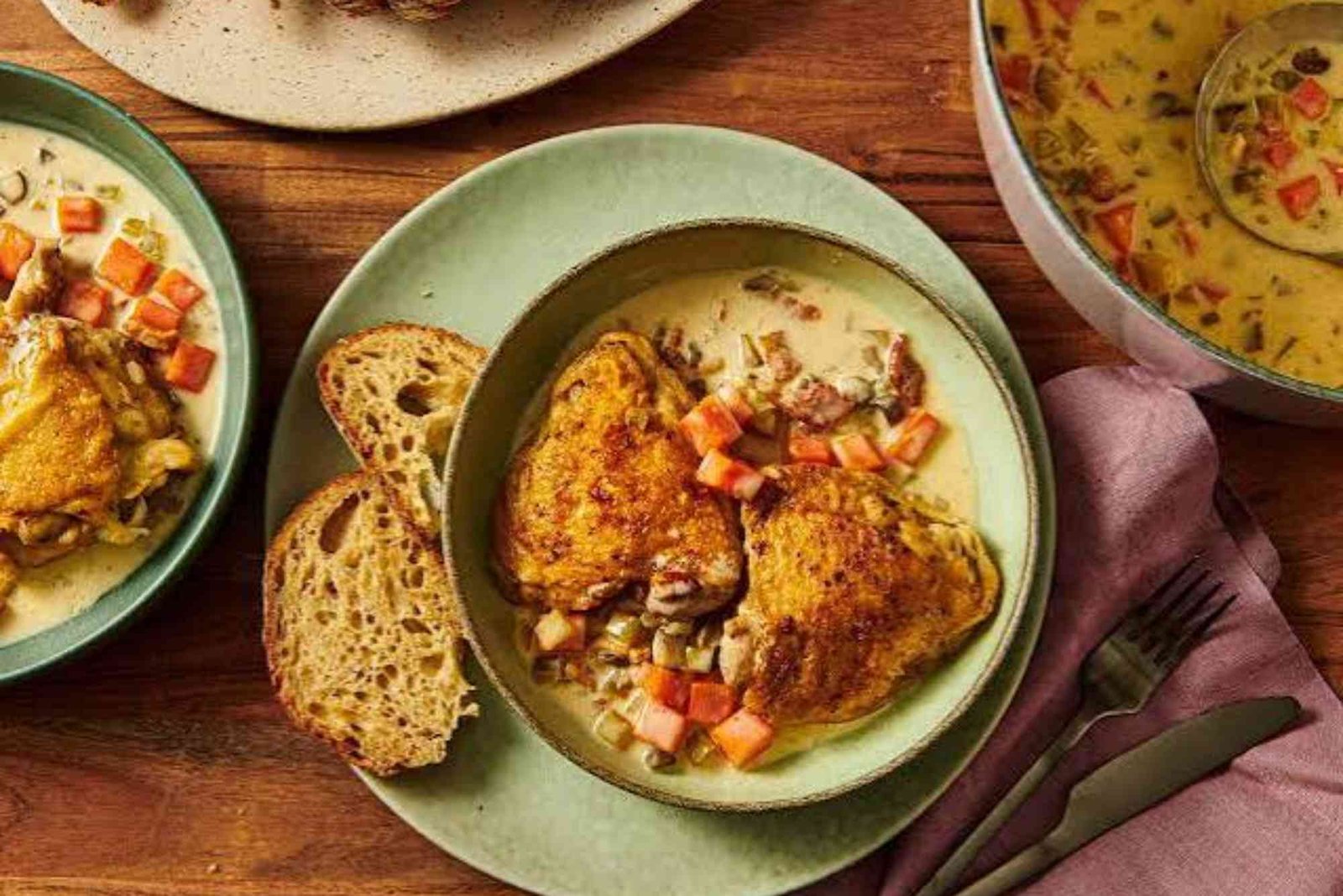
Chicken thighs are a favorite among experienced cooks because they remain juicy during extended cooking. Beef chuck develops tenderness when simmered slowly. Sausages release flavorful oils that enrich the entire dish.
Seafood can also be incorporated successfully, although it usually requires shorter cooking times. Plant-based proteins such as lentils, chickpeas, and beans provide excellent nutrition while absorbing seasonings effectively.
Vegetables That Enhance Flavor
Root vegetables such as potatoes, carrots, and sweet potatoes hold their shape during longer cooking periods. Mushrooms contribute savory umami notes that deepen flavor profiles.
Bell peppers, zucchini, spinach, kale, and tomatoes add color, nutrients, and texture. Combining different vegetables creates balanced meals that are both visually appealing and nutritious.
Grains and Starches
Rice, pasta, barley, quinoa, and couscous work particularly well in one-pot recipes. These ingredients absorb surrounding flavors while helping create satisfying and filling meals.
Common Cooking Methods for One-Pot Meals
Learning various cooking methods improves your ability to master How to Make Delicious Food in One Pot.
Simmering is perhaps the most common approach. Ingredients cook gently in liquid, allowing flavors to blend over time. This method is ideal for soups, stews, and curries.
Braising combines searing and slow cooking. Proteins are browned first before being cooked slowly in liquid. The result is tender meat and deeply developed flavors.
One-pot baking involves placing all ingredients into an oven-safe dish and allowing dry heat to cook everything evenly. This method works particularly well for casseroles and baked rice dishes.
Pressure cooking dramatically reduces cooking time while preserving flavor. Modern electric pressure cookers have made this technique increasingly popular among home cooks.
Table: Popular One-Pot Meal Categories and Benefits
| Meal Category | Main Ingredients | Cooking Time | Key Benefit |
|---|---|---|---|
| Soup | Vegetables, broth, protein | 30–60 minutes | Comforting and nutritious |
| Stew | Meat, vegetables, stock | 1–3 hours | Deep flavor development |
| Pasta Dish | Pasta, sauce, vegetables | 20–40 minutes | Quick preparation |
| Rice Meal | Rice, protein, spices | 30–50 minutes | Balanced nutrition |
| Curry | Protein, vegetables, sauce | 30–60 minutes | Rich flavor complexity |
| Chili | Beans, meat, tomatoes | 45–90 minutes | High protein content |
How to Balance Texture and Flavor
An important aspect of How to Make Delicious Food in One Pot involves maintaining texture. While flavor is essential, texture contributes significantly to overall enjoyment.
Ingredients should be added according to cooking times. Dense vegetables often require earlier addition, while delicate greens should be incorporated near the end.
Pasta and rice need careful monitoring to avoid overcooking. Excess liquid can create mushy textures, while insufficient liquid may result in undercooked ingredients.
Taste testing throughout cooking helps ensure proper seasoning and texture development.
Healthy Approaches to One-Pot Cooking
One-pot meals can easily support healthy eating goals. By focusing on whole ingredients, balanced nutrition becomes much easier to achieve.
Lean proteins provide essential amino acids. Colorful vegetables contribute vitamins, minerals, and antioxidants. Whole grains add fiber and long-lasting energy.
Reducing processed ingredients and controlling sodium levels allows home cooks to create healthier alternatives to restaurant or packaged meals.
Because everything cooks together, nutrients often remain within the cooking liquid rather than being discarded, increasing nutritional retention.
Mistakes to Avoid When Learning How to Make Delicious Food in One Pot
Even experienced cooks occasionally encounter challenges with one-pot recipes. Understanding common mistakes helps improve results.
Overcrowding the pot can prevent proper browning and reduce flavor development. Ingredients need enough space for heat circulation.
Adding all ingredients simultaneously may cause uneven cooking. Timing remains important even when using a single pot.
Using excessive liquid can dilute flavors. Conversely, insufficient liquid may result in burning or undercooked ingredients.
Ignoring seasoning adjustments throughout cooking often produces bland results. Gradual tasting and correction ensure better flavor balance.
Creating Your Own One-Pot Recipes
Once you understand the fundamentals of How to Make Delicious Food in One Pot, creating custom recipes becomes easier.
Start with a flavor base consisting of aromatics and seasonings. Select a protein and complementary vegetables. Choose a grain or starch if desired.
Determine the appropriate liquid and cooking method. As ingredients cook, monitor texture and seasoning levels. Small adjustments often make significant differences in the final result.
Experimentation encourages creativity while helping you develop confidence in the kitchen.
One-Pot Cooking for Families and Meal Preparation
Families often appreciate one-pot meals because they simplify dinner preparation while providing balanced nutrition. Large batches can feed multiple people efficiently and often produce leftovers for future meals.
Meal preparation enthusiasts also benefit significantly from one-pot cooking. Many recipes store well and develop even richer flavors after refrigeration. This makes them ideal for weekly meal planning.
Preparing larger portions reduces cooking frequency while ensuring convenient access to homemade meals throughout the week.
Why One-Pot Meals Deliver Outstanding Flavor
The science behind How to Make Delicious Food in One Pot explains why these dishes taste so satisfying. As ingredients share cooking space, flavor compounds dissolve into liquids and redistribute throughout the dish.
Proteins release savory compounds, vegetables contribute sweetness and complexity, and seasonings infuse every component. The result is a harmonious blend of flavors that often exceeds the sum of individual ingredients.
Learning How to Make Delicious Food in One Pot is one of the most valuable skills a home cook can develop. It combines convenience, affordability, nutrition, and exceptional flavor in a single cooking method. By selecting quality ingredients, understanding flavor development, and applying proper cooking techniques, anyone can create satisfying meals with minimal effort.
Whether you prefer soups, stews, pasta dishes, curries, or rice-based recipes, one-pot cooking offers endless possibilities for creativity and enjoyment. Start experimenting today and discover how a single pot can produce remarkable meals that your family and friends will love.
Related Reading: Wood Staining in Baton Rouge LA
Related Reading: Best Food Recipes for Weekend Family Lunch