
Introduction
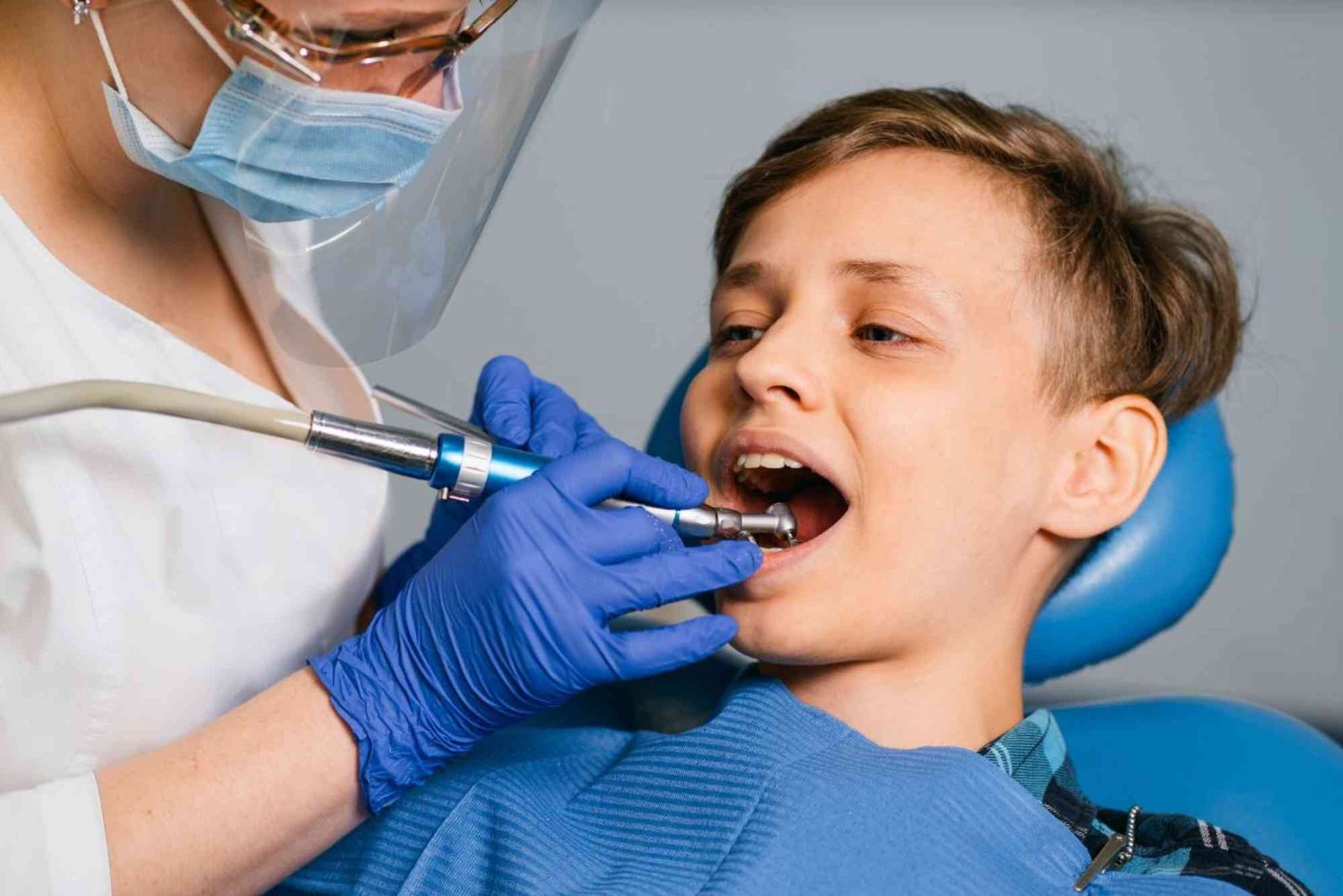
Taking your child to the dentist for the first time can feel overwhelming, both for you and your little one. Many parents worry about potential anxiety, tears, and resistance. However, with proper preparation, this milestone can become a positive experience that sets the stage for a lifetime of healthy dental habits. This guide will provide practical strategies and insights, focusing on building comfort, understanding, and confidence for your child’s first dental visit.
Understanding the Importance of the First Dental Visit
The first dental visit is more than a routine checkup. It introduces your child to dental care, helping them develop trust and understanding about oral health. Early visits allow the dentist to identify potential issues, educate parents on oral hygiene, and guide children in establishing good habits. Making this visit positive can prevent fear and create a foundation for lifelong dental wellness.
Dentists often recommend scheduling the first appointment around your child’s first birthday or within six months of their first tooth appearing. By taking them early, you set the expectation that dental visits are a normal part of life.
Preparing Mentally for the Appointment
Talk Positively About the Dentist
Children are highly influenced by their parents’ attitudes. Speak about the dentist in a positive, reassuring way. Avoid using words like “pain,” “needle,” or “hurt,” which can create unnecessary fear. Instead, highlight fun aspects, such as getting a cool toothbrush, learning about teeth, or meeting friendly staff.
Read Books and Watch Videos
Visual aids can be powerful. Picture books or short educational videos showing children at the dentist help them visualize the process. This exposure reduces anxiety by making the experience familiar. For beginners, even simple stories that portray characters calmly visiting the dentist can ease first-time nerves.
Role Play at Home
Pretend play can be highly effective. Using a toothbrush and a stuffed animal, simulate a dental checkup. Encourage your child to “open wide” and count teeth. Role play helps them understand what will happen and gives them a sense of control over the process.
Choosing the Right Dental Office
Look for Pediatric Specialization
Pediatric dentists specialize in caring for children, offering a child-friendly environment and expertise in handling nervous or young patients. They often have colorful waiting rooms, engaging toys, and staff trained to work with children.
Schedule at the Right Time
Choose a time of day when your child is naturally alert and in a good mood. For many children, mornings are ideal as they are well-rested and cooperative. Avoid scheduling during nap times or near mealtimes to minimize irritability.
Familiarize Your Child With the Office
If possible, visit the office before the appointment. Meeting the staff and seeing the dental chair can reduce fear of the unknown. Some practices allow a short tour, which can be highly beneficial.
Practical Tips for the Day of the Visit
Keep Calm and Confident
Children pick up on parental emotions. Display confidence and calmness. If you appear relaxed, your child is more likely to feel secure and cooperative.
Dress Comfortably
Comfortable clothing helps your child feel at ease. Avoid outfits that are restrictive or require multiple layers, as this can add stress during the visit.
Bring Comfort Items
Allow your child to bring a favorite toy or blanket. These familiar items provide emotional support and distraction.
Practice Good Oral Hygiene Beforehand
Ensure your child’s teeth are clean before the appointment. Brushing and flossing not only promote dental health but also create a sense of routine and readiness.
Helping Your Child During the Appointment
Explain Each Step
During the visit, explain what the dentist is doing in simple terms. For example, describe the mirror as a “tiny tooth telescope” or the suction tool as a “tooth vacuum.” Fun language can transform fear into curiosity.
Encourage Questions
If your child has questions, let them ask. Even simple questions like “Will it hurt?” deserve honest but reassuring answers. Children feel empowered when their concerns are acknowledged.
Praise and Reward
After the appointment, offer praise and small rewards for bravery. This reinforces positive behavior and motivates them for future visits. Avoid bribery that implies the dentist is something to endure, but celebrate cooperation and courage.
Building Long-Term Positive Habits
Establish a Routine
Regular dental visits and consistent oral hygiene at home create a routine your child will accept as normal. Teach brushing twice daily, flossing when appropriate, and rinsing with water after meals.
Make Dental Care Fun
Incorporate games, songs, and visual charts to make brushing enjoyable. Children are more likely to engage in dental care when it feels like a playful activity rather than a chore.
Set an Example
Children imitate adults. Model good oral hygiene and show a positive attitude toward dental visits. If they see you brushing, flossing, and visiting the dentist regularly, they will internalize these behaviors.
Common Concerns Parents Have
My Child Is Scared of Needles
For most first visits, shots are not required. Pediatric dentists often focus on examination and cleaning. If vaccinations or anesthesia are needed, the dentist will explain the process carefully.
My Child Won’t Sit Still
Movement is natural, especially in younger children. Pediatric dentists are trained to handle this gently. Short, engaging interactions and breaks can help children settle and cooperate.
How to Prevent Dental Anxiety
Avoid negative stories or comments from relatives. Focus on positive reinforcement, preparation, and gentle guidance. Consistency in routine and attitude reduces fear over time.
Additional Resources for Parents
For a more detailed guide to how to prepare your child for the first dentist, check out this guide to how to prepare your child for the first dentist. Staying informed with the latest basics in child dental care can also provide confidence for beginners. You can explore more latest basics or consult a trusted reference guide for detailed information on pediatric dentistry.
Preparing your child for the first dental visit requires patience, understanding, and planning. By introducing the dentist positively, practicing at home, choosing the right office, and providing support on the appointment day, you can help your child develop confidence and healthy dental habits. Early positive experiences pave the way for a lifetime of good oral health. Take action today by scheduling that first visit and start your child on a journey toward fearless dental care.
FAQs
At what age should I take my child to the dentist for the first time?
Most dentists recommend the first visit around the first birthday or within six months of the first tooth appearing. Early visits help prevent cavities and establish a routine.
How can I make the first dental visit less scary?
Talk positively, use books or videos, role play at home, and choose a child-friendly dentist. Being calm and prepared reduces anxiety significantly.
What if my child cries during the appointment?
Crying is normal. Pediatric dentists are experienced in comforting children. Stay calm, offer reassurance, and allow breaks if needed.
Should I sit with my child during the appointment?
Yes, parents are often encouraged to stay close. Your presence provides comfort and helps your child feel safe.
How often should my child visit the dentist?
Typically, every six months. However, your dentist may recommend more frequent visits depending on your child’s dental health.