Men’s fashion has changed considerably over the years, but the desire to look polished and feel comfortable has remained. Today, a men’s personal stylist can help navigate that balance, bringing together classic influences and modern preferences to create a wardrobe that feels relevant rather than rigid. The goal is not to follow every new trend, but to understand how clothing, fit, and personal taste can work together in a way that suits everyday life.
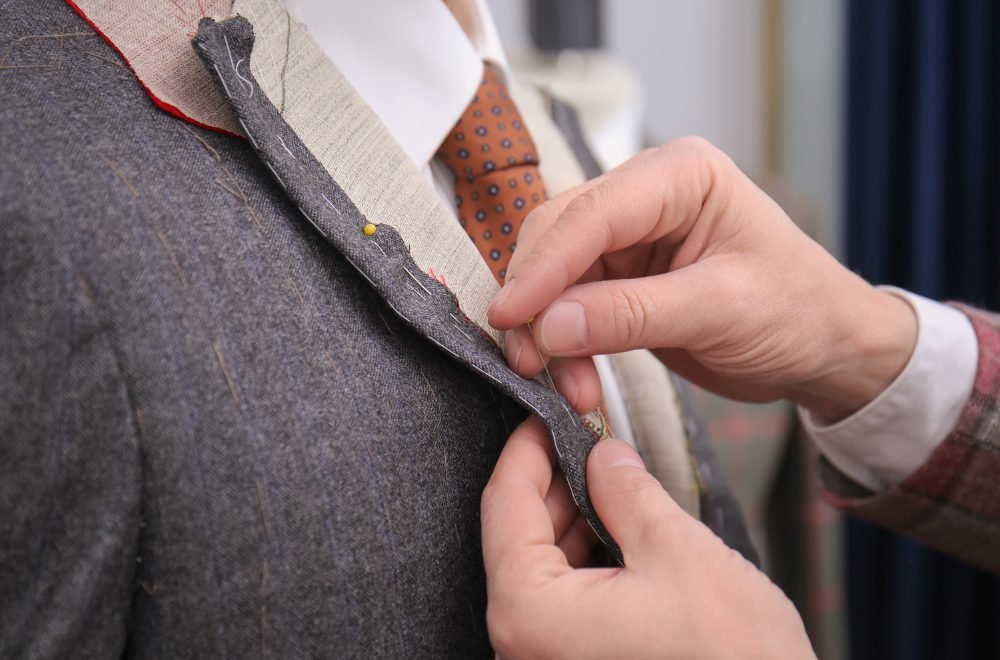
For generations, classic tailoring shaped the image of refined menswear. Structured jackets, carefully pressed trousers, crisp shirts, and traditional footwear offered a dependable uniform for work and formal occasions. These pieces were valued for their craftsmanship and proportion, and many remain wardrobe staples today. What has changed is how men wear them: a tailored jacket might now be paired with a fine knit or clean sneakers, making a once-formal look feel more relaxed and adaptable.
The shift toward a more flexible wardrobe has also changed how men shop. Instead of buying complete looks dictated by a single trend, many prefer to select versatile pieces that can be styled in different ways. A high end personal shopper can make this process more considered by helping identify quality garments, explore suitable designers, and build combinations around an individual’s lifestyle. Thoughtful shopping is less about buying more and more about choosing well.
Modern elegance often comes from the meeting point of structure and ease. Unlined blazers, softer shoulders, relaxed tailoring, and trousers with a little more room offer a contemporary alternative to the sharply fitted silhouettes of the past. These details allow movement and comfort while preserving a clean outline. The result can feel sophisticated without appearing overly formal or carefully constructed.
Fabric has played an important role in this evolution. Traditional wool suiting still has its place, but cotton, linen, jersey, and technical blends have expanded the possibilities for dressing well. Lightweight materials are especially useful in warmer weather, while textured fabrics can add depth to simple combinations. Choosing fabric according to climate, occasion, and how a garment will be worn is one of the practical ways to make a wardrobe more effective.
Colour has become more expressive, too. Navy, grey, black, and white remain reliable foundations, but earthy shades, muted greens, soft blues, and warm neutrals have found a natural place in modern menswear. Rather than relying on bold colours to make an outfit memorable, subtle variation in tone and texture can create interest. A tonal outfit, for example, can look refined while still feeling easy and understated.

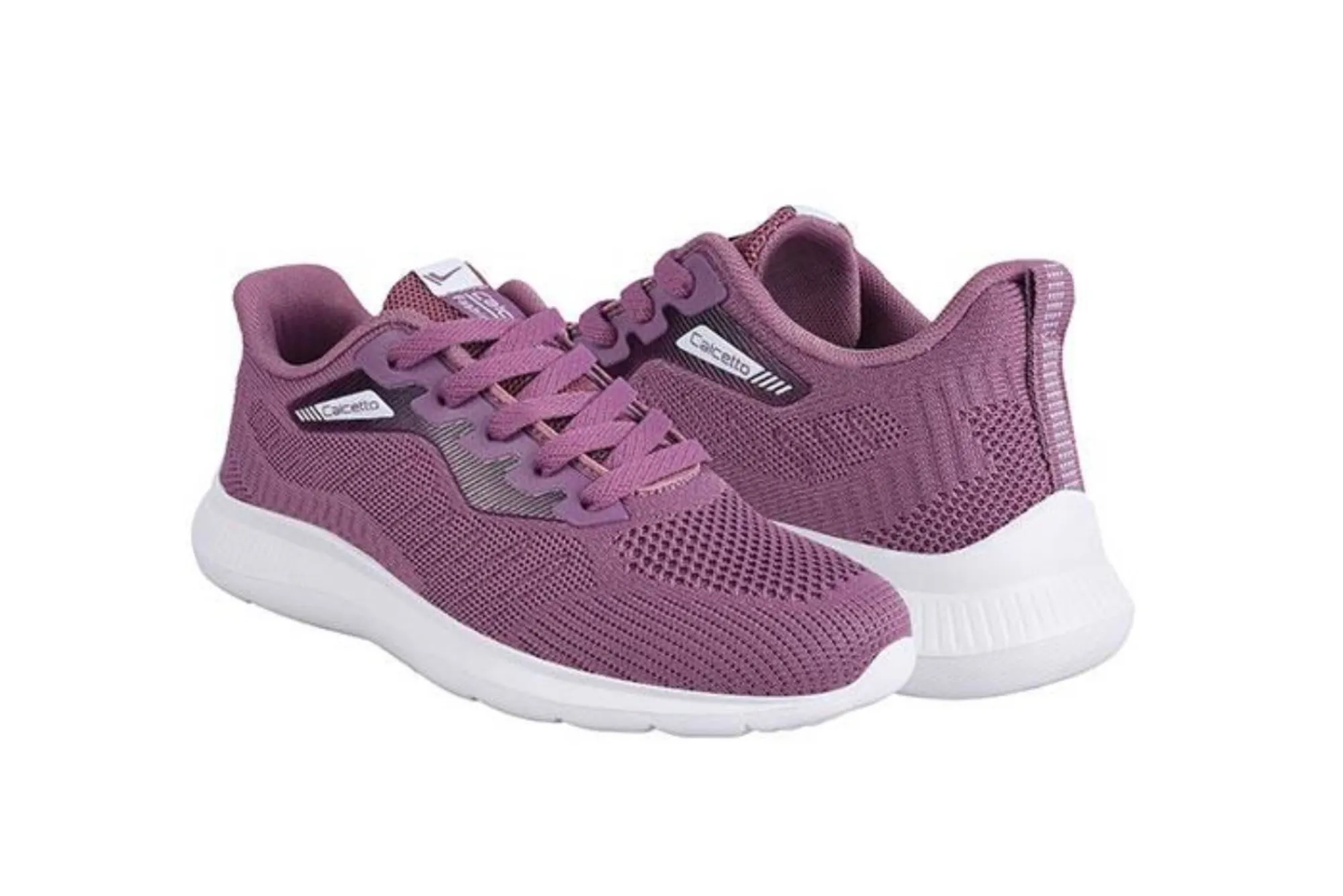
Casualwear has also earned a more prominent role. Knitwear, premium T-shirts, dark denim, overshirts, and minimalist trainers can now sit comfortably alongside tailored pieces. This blending of categories reflects how people actually live, moving between work, travel, social plans, and downtime. A well-chosen casual outfit can be just as intentional as a suit when the fit is right and the pieces feel cohesive.
Accessories have followed a similar path from strict convention toward personal choice. A watch, leather bag, belt, or pair of sunglasses can complement an outfit without dominating it. The best accessories are often the ones that are used regularly and age gracefully. They add function and character, while allowing the overall look to remain balanced.
Another defining change is the growing emphasis on individual expression. There is no single formula for modern masculinity or elegance, and personal style can be classic, creative, minimal, or a mix of several influences. The most useful wardrobe is one that reflects the wearer’s routines and preferences rather than an idealised image. When clothing feels authentic, confidence tends to follow naturally.
The evolution of men’s fashion is not a rejection of tradition. It is an ongoing conversation between the enduring value of good construction and the freedom to dress in ways that suit contemporary life. Classic tailoring continues to offer a strong foundation, while modern fabrics, softer silhouettes, and more versatile combinations make that foundation easier to adapt. Ultimately, elegance is less about rules than about making thoughtful choices and wearing them with ease.