Introduction
Benign Prostatic Hyperplasia, or BPH, is a common condition affecting men, especially as they age. Many beginners wonder: can BPH cause pain while urinating? Understanding this condition is crucial because early recognition and proper management can prevent complications and improve quality of life. In this guide, we explore the connection between BPH and urinary discomfort, explain symptoms, and provide actionable advice for beginners.
Understanding BPH and Its Effects
BPH is the non-cancerous enlargement of the prostate gland. While the prostate normally grows with age, an enlarged prostate can press against the urethra, the tube that carries urine from the bladder out of the body. This pressure can disrupt normal urine flow and cause a range of urinary symptoms.
How BPH Affects Urination
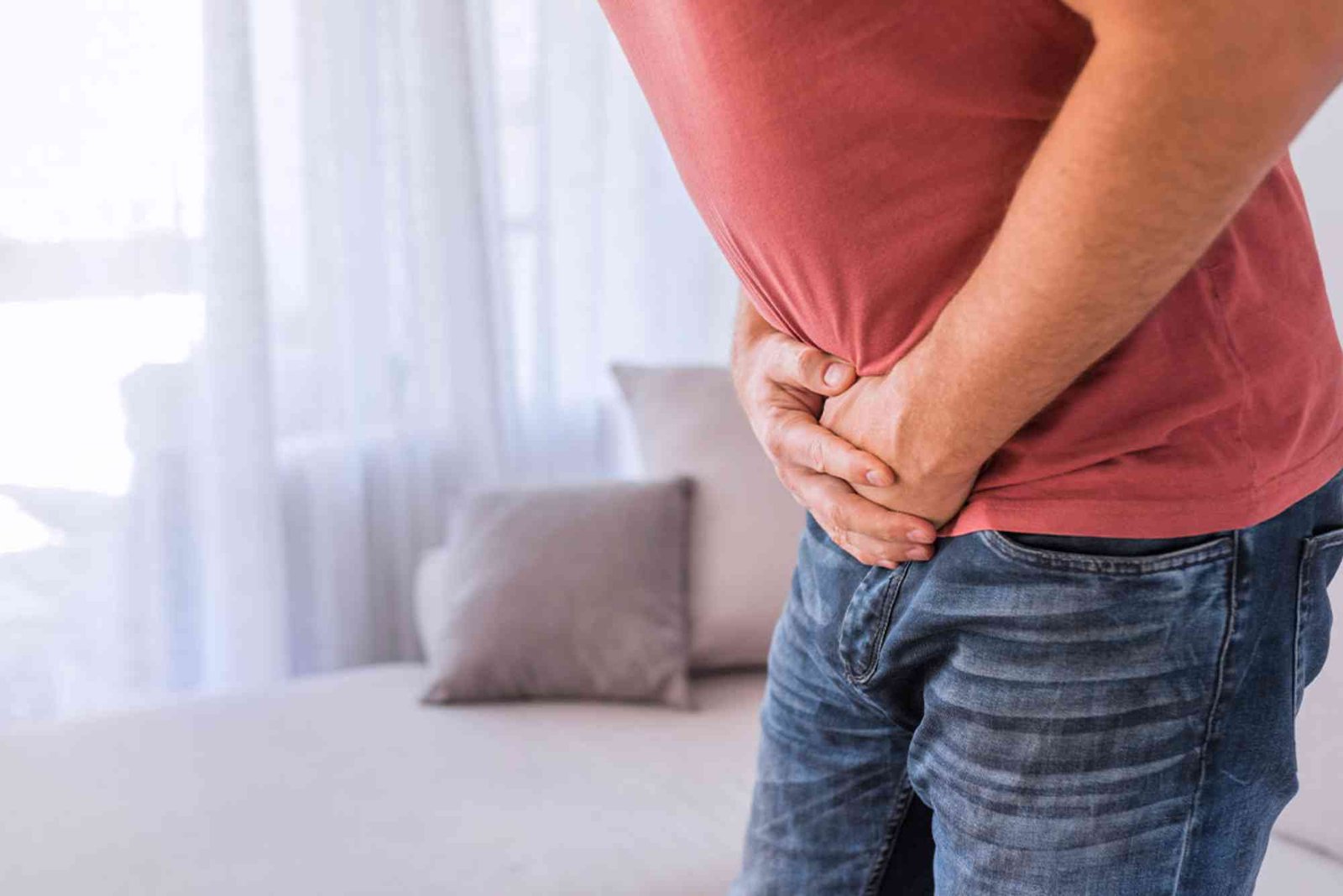
When the prostate enlarges, it can obstruct urine flow, leading to difficulty starting urination, weak urine stream, and the feeling of incomplete bladder emptying. In some cases, men may also experience urinary frequency, urgency, or nighttime urination. The question remains: can BPH cause pain while urinating? While pain is less common than other symptoms, it can occur, especially if BPH leads to complications like urinary tract infections or bladder stones.
Pain Symptoms to Watch For
Pain associated with BPH may include:
-
Burning or stinging during urination
-
Lower abdominal discomfort
-
Pain in the pelvic or lower back region
-
Discomfort after urination

Experiencing any of these symptoms warrants a medical evaluation. Left untreated, BPH-related complications can lead to more serious issues, such as bladder damage or kidney problems.
Causes of Pain During Urination in BPH
While BPH itself primarily causes urinary obstruction, the pain often arises from secondary conditions. Understanding these causes is key for beginners looking to manage symptoms effectively.
Urinary Tract Infections (UTIs)
An enlarged prostate can prevent complete bladder emptying, creating a breeding ground for bacteria. This can lead to urinary tract infections, which are a common cause of painful urination in men with BPH.
Bladder Stones
Incomplete emptying may also result in bladder stones. These hard deposits irritate the bladder and urethra, causing sharp or burning pain while urinating.
Prostate Inflammation
Sometimes, BPH is accompanied by prostatitis, an inflammation of the prostate. Prostatitis can cause pain, discomfort, and urinary difficulties similar to those seen with BPH.
Diagnosing BPH-Related Pain
Identifying whether BPH is causing urinary pain involves a combination of medical history, physical exams, and diagnostic tests.
Physical Examination
A digital rectal exam (DRE) allows doctors to feel the size and shape of the prostate. It’s a quick and effective method to detect enlargement.
Urine Tests
Urinalysis can detect infections, blood, or other abnormalities in the urine, helping determine the cause of pain.
Imaging and Other Tests
Ultrasound or bladder scans may be used to assess urine retention or detect bladder stones. In some cases, a PSA (prostate-specific antigen) blood test may be performed to rule out prostate cancer.
Treatment Options for Painful BPH
Managing pain related to BPH involves addressing both the enlarged prostate and any secondary conditions contributing to discomfort.
Lifestyle Modifications
Small changes can significantly improve symptoms. Reducing caffeine and alcohol intake, limiting evening fluids, and practicing timed voiding can help reduce urinary urgency and pain.
Medications
Alpha-blockers relax the muscles of the prostate and bladder neck, improving urine flow. 5-alpha-reductase inhibitors can shrink the prostate over time. Pain associated with infections may require antibiotics.
Minimally Invasive Procedures
For men with severe obstruction or complications, minimally invasive treatments like transurethral microwave therapy or laser therapy can relieve symptoms without major surgery.
Surgery
In cases where conservative measures fail, surgical options such as transurethral resection of the prostate (TURP) may be necessary. Surgery effectively relieves obstruction and can reduce urinary pain.
Preventing Painful BPH Symptoms
While BPH is a natural part of aging, certain habits can help reduce the risk of urinary pain.
Stay Hydrated
Drinking adequate water helps flush bacteria from the urinary tract and reduce the risk of infections.
Maintain a Healthy Weight
Excess weight can worsen urinary symptoms, so maintaining a healthy lifestyle can reduce discomfort.
Regular Check-Ups
Routine prostate exams help detect enlargement early, allowing timely interventions before painful complications arise.
When to See a Doctor
Any pain during urination should be evaluated by a healthcare professional. Immediate consultation is especially important if accompanied by:
-
Blood in urine
-
Fever or chills
-
Severe lower back or pelvic pain
-
Difficulty urinating or inability to pass urine
Early detection can prevent serious complications and improve overall quality of life.
Can BPH Cause Pain While Urinating? Insights for Beginners
While BPH itself does not always directly cause pain, its complications frequently do. Pain during urination is often linked to infections, bladder stones, or inflammation caused by an enlarged prostate. Understanding this connection is critical for effective management and symptom relief. For a more detailed overview, readers can refer to this guide to can BPH cause pain while urinating.
For beginners exploring the relationship between BPH and painful urination, it is essential to understand that while BPH primarily affects urine flow, pain often signals additional complications. Recognizing symptoms early, seeking medical evaluation, and adopting proper management strategies can significantly improve comfort and quality of life. Don’t ignore urinary pain—take proactive steps today by consulting a healthcare provider.
Understanding financial health is also important when managing medical conditions. Learning the basics of money management can help plan for healthcare costs effectively. Explore more about business & finance basics or deepen your understanding of finance definition to make informed decisions.
FAQs
Can BPH cause pain in the lower back?
Yes, BPH-related complications like bladder retention or infections can cause lower back discomfort.
Is painful urination always a sign of BPH?
Not always. Pain may indicate infections, stones, or prostatitis, which sometimes coexist with BPH.
How can I relieve BPH symptoms at home?
Lifestyle changes like reducing caffeine, limiting evening fluids, and timed voiding can help manage symptoms.
Does BPH get worse with age?
Typically, yes. Prostate enlargement progresses over time, but treatments can effectively manage symptoms.
When should I see a doctor for painful urination?
If you experience blood in urine, severe pain, fever, or inability to urinate, seek medical attention immediately.