
Introduction
Understanding why washing machines vibrate excessively on spin helps you fix issues before they cause major problems. Many homeowners deal with shaking or loud rumbling at the end of a wash cycle, yet few know the real reasons behind it. This step-by-step guide breaks down the causes and the exact actions needed to restore stability. Because the focus keyword “why washing machines vibrate excessively on spin” is essential to this topic, you will see it appear naturally throughout the article without stuffing or awkward phrasing. By the end, you will know what to check, how to fix it, and when to call a technician. You can also learn more about why washing machines vibrate excessively on spin through this guide and through more resources on AboutRoyal.
Why Washing Machines Vibrate Excessively On Spin: The Core Explanation
When a washing machine enters the spin cycle, the drum moves aggressively to remove water from clothes. Excessive vibration happens when the drum loses balance, when the floor beneath the appliance is unstable, or when internal parts wear out. The key is identifying which issue affects your machine. Each step below helps you understand the root cause so you can correct it with confidence.
How Unbalanced Loads Affect the Drum
A washing machine vibrates when clothes shift to one side of the drum. Heavier fabrics collect in clumps and throw the rotation off-center. This imbalance forces the machine to shake more than usual during high-speed spinning. Spreading clothes evenly often solves this problem right away.
How Flooring Impacts Machine Stability
A machine on a weak or flexible floor shakes more during spin cycles. Wooden floors in older homes, second-floor laundry rooms, or tiles with hollow spaces beneath them often amplify vibration. A stable base reduces most shaking issues.
How Worn Parts Create Excessive Vibration
Shock absorbers, suspension rods, drum bearings, and dampers reduce movement during spinning. When these parts weaken, the machine loses stability. You may hear banging, scraping, or rumbling when they fail.
Checklist to Fix Washing Machine Vibration
This checklist guides you through each point that impacts why washing machines vibrate excessively on spin. Move through each step slowly and observe the machine closely.

Inspect the Machine’s Leveling Position
The machine must sit flat on the floor. Even a slight tilt increases vibration. Most machines have adjustable feet. Turning them clockwise or counterclockwise raises or lowers each corner until the washer sits stable. After leveling, gently push the machine from side to side. If it rocks easily, repeat adjustments.
Check If Transit Bolts Were Removed
Many front-load machines come with shipping bolts installed. These bolts lock the drum in place during transport. If they remain attached during operation, the drum cannot move freely and causes loud shaking. Removing the bolts usually solves sudden, severe vibration in new machines.
Monitor Drum Movement With an Empty Cycle
Running a short spin with an empty drum helps identify whether the machine vibrates without clothing. If it does, internal parts may be worn. If it doesn’t, the issue likely comes from load distribution.
Rebalance Laundry Inside the Drum
Heavy towels, jeans, or blankets collect on one side. Rearranging the load often restores balance. Avoid mixing small and heavy items together. If your washer keeps struggling to balance itself, select a lower spin speed.
Examine the Floor and Under-Machine Support
A machine sitting on uneven tiles or weak wood will shake excessively. Reinforcing the floor or placing an anti-vibration mat underneath the machine improves stability. A solid base reduces both horizontal and vertical movement.
Inspect Shock Absorbers and Suspension Rods
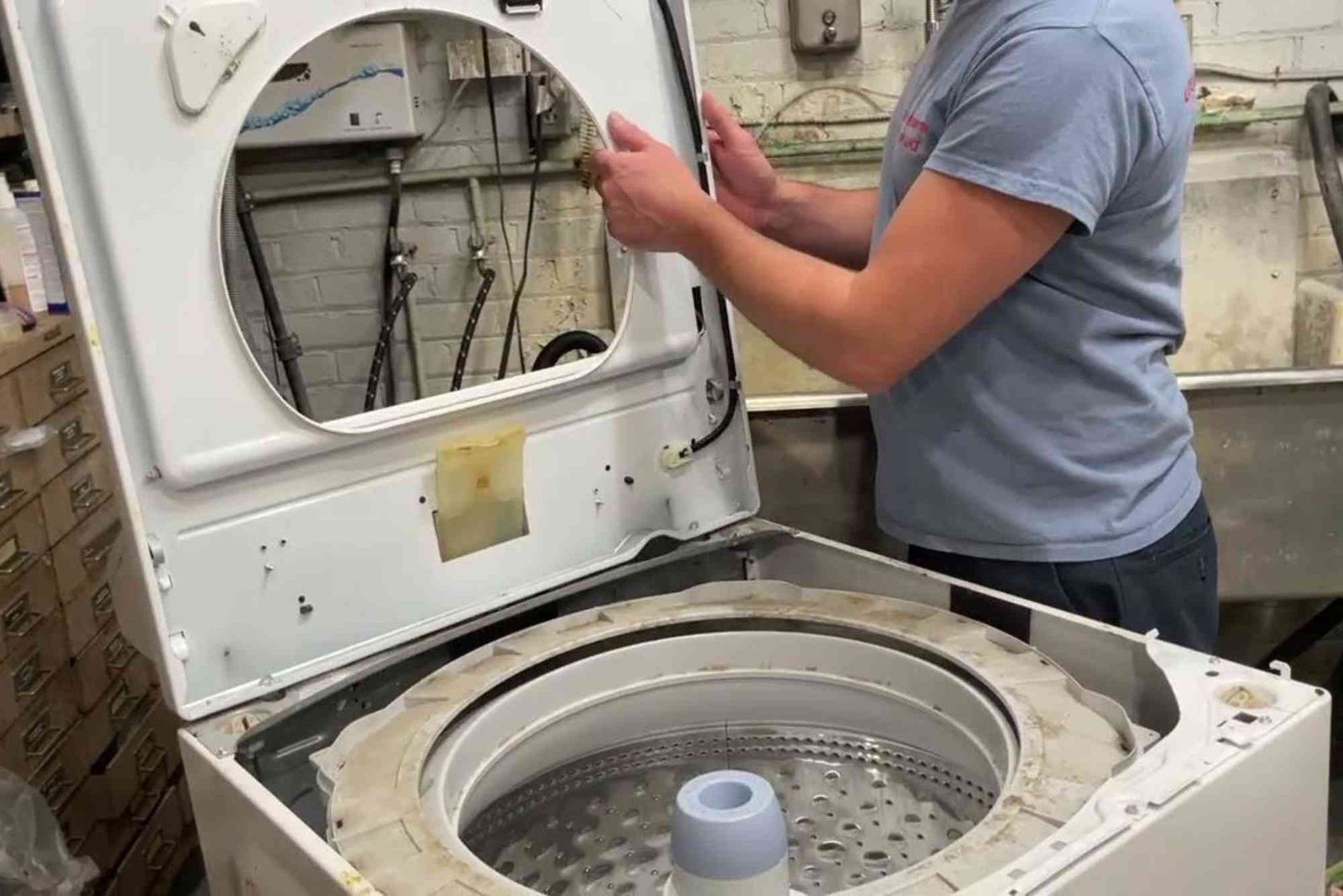
Front-load washers use shock absorbers. Top-load washers use suspension rods. When either type wears out, the drum moves too freely. Watching the drum bounce during spin gives clues about internal wear. Replacing weakened parts restores smooth motion.
Look for Loose Internal Components
Loose panels, screws, or counterweights can create loud banging noises. Tightening loose parts often eliminates sudden vibration. Skilled technicians can check weights around the drum structure to ensure nothing has shifted out of place.
Evaluate Drum Bearings
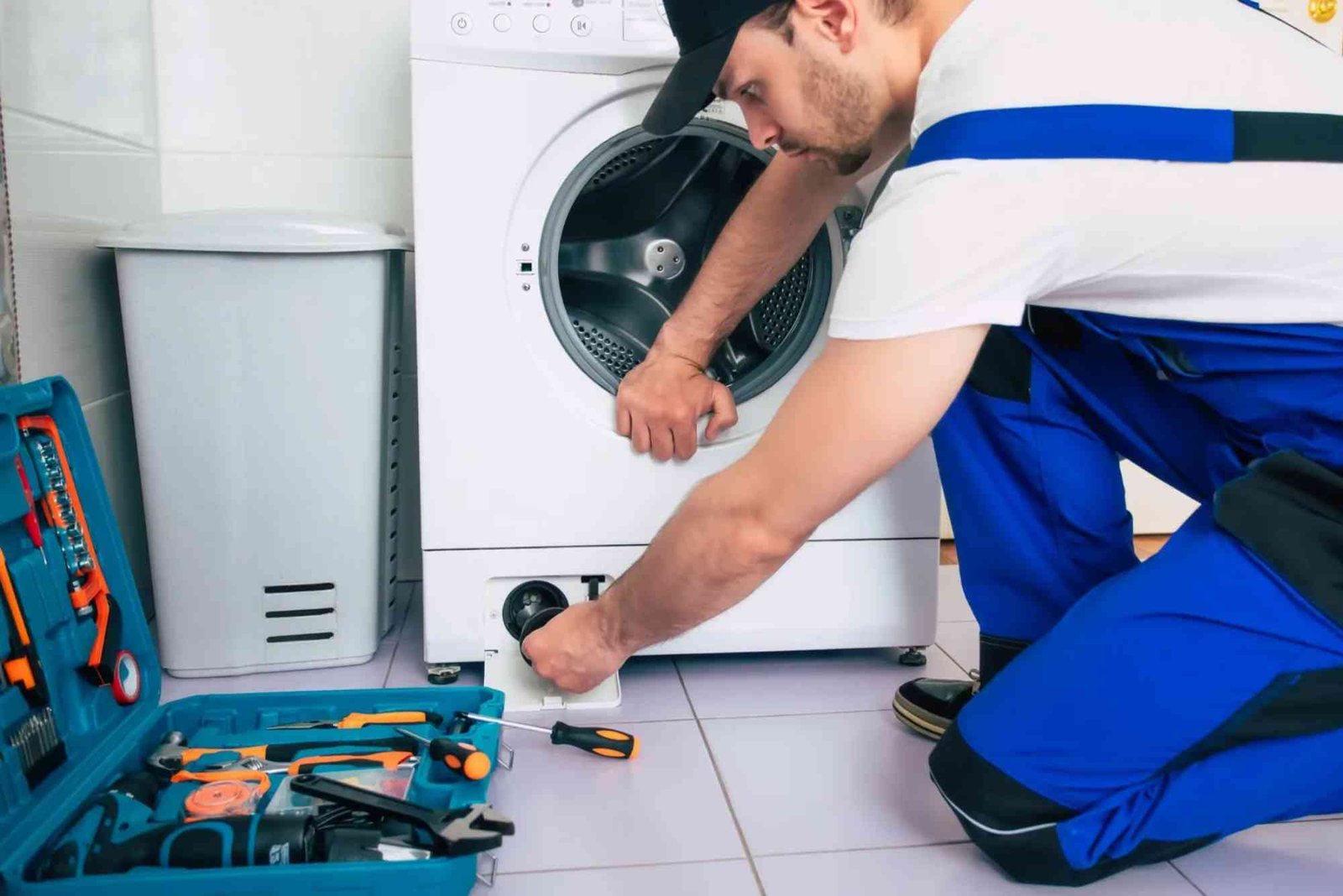
Drum bearings allow smooth rotation. When damaged, you may hear grinding or metal-on-metal sounds. Excessive vibration during spin is common when bearings wear out. This repair is complex and usually requires a professional.
Inspect Rubber Feet for Wear
The rubber pads under each machine foot help grip the floor. When worn or hardened, the machine slides or moves during spin. Replacing these pads often reduces shaking dramatically.
Assess Spin Speed Settings
High spin speeds extract more water but increase the chance of vibration. Lowering the spin speed on certain loads, especially blankets or large towels, can prevent shaking.
Why Understanding These Steps Matters
Knowing why washing machines vibrate excessively on spin helps preserve the machine’s lifespan. Excess vibration strains internal parts, loosens screws, and damages floors. Following a methodical checklist reduces long-term repair costs and keeps wash cycles quieter. Homeowners and renters benefit from a calmer laundry routine, especially in apartments where vibration carries through walls.
Practical Home Knowledge and How It Helps
Improving your understanding of home appliances also improves your home management skills. You can explore broader home & decoration basics through guides that offer practical fixes for everyday issues. Getting familiar with concepts like appliance leveling, flooring stability, and interior structure helps you avoid recurring problems.
You can also explore professional home design references to understand how laundry spaces in modern homes prevent vibration through structural planning. Some architects design special cavities or reinforced floors to reduce noise during use.
FAQs
Why does my washing machine shake violently during spin?
Washing machines shake when the drum becomes unbalanced, when the floor is weak, or when internal parts wear out. Heavy loads that shift to one side often trigger violent shaking.
How do I stop my washing machine from vibrating too much?
Start with leveling the machine, balancing the load, and reinforcing the floor. If the vibration continues, check shock absorbers, suspension rods, and drum bearings.
Is it normal for a washing machine to vibrate on spin?
A mild vibration is normal. Excessive vibration signals imbalance, poor installation, or worn mechanical components.
Can overloading a washing machine cause vibration?
Yes, overloaded drums shift during spinning and cause shaking. Reducing the load or spreading clothes evenly usually fixes the issue.
How can I tell if my washing machine bearings are worn?
Grinding, rumbling, or scraping noises during spin indicate bearing failure. Excessive drum movement and vibration are also common signs.
Understanding why washing machines vibrate excessively on spin allows you to maintain your machine safely and efficiently. Following this guide ensures smoother cycles, reduced noise, and fewer long-term repairs. If you want deeper insights, you can always learn more about why washing machines vibrate excessively on spin directly through trusted appliance resources. You can also explore home & decoration basics to improve your space or visit home design references for professional design inspiration.